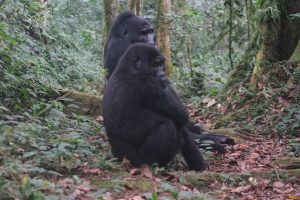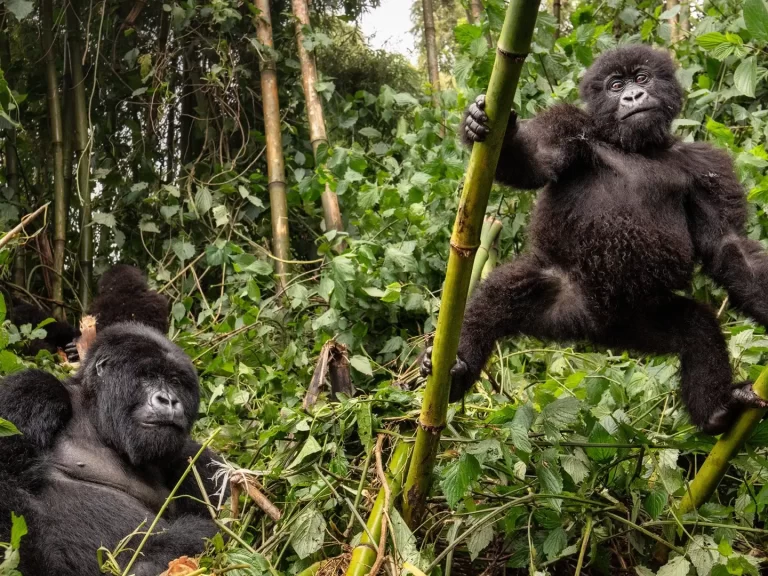
For many wildlife enthusiasts, spending time with mountain gorillas in their natural habitat is a once-in-a-lifetime dream. While gorilla trekking is the most popular way to encounter these gentle giants, Uganda offers a more immersive alternative known as the Gorilla Habituation Experience.
This unique activity allows visitors to spend up to four hours with a semi-habituated gorilla family alongside researchers, conservationists, and trackers who are gradually helping the gorillas become accustomed to human presence.
The Gorilla Habituation Experience takes place exclusively in the southern sector of Bwindi Impenetrable National Park in Uganda.
Today, the permit costs USD 1,500 per person but is set to go up to USD 1,800 per person in 2027. The experience has gained popularity among photographers, wildlife enthusiasts, and travelers seeking a deeper understanding of mountain gorilla conservation.
However, despite its appeal, gorilla habituation is not the perfect choice for every traveler. The activity demands more physical effort, greater endurance, a larger budget, and a willingness to spend long hours navigating challenging rainforest terrain.
Before booking a permit, it is important to carefully evaluate whether the experience aligns with your fitness level, travel goals, and personal circumstances.
What Is Gorilla Habituation?
Gorilla habituation is the process through which wild mountain gorillas gradually become comfortable with the presence of humans. This process can take several years and involves daily monitoring by researchers, trackers, veterinarians, and conservation teams.
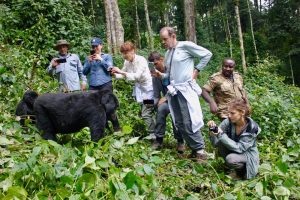
Unlike standard gorilla trekking, where visitors spend only one hour observing a fully habituated gorilla family, gorilla habituation participants join the conservation team for a more extensive experience. Visitors can spend up to four hours with the gorillas after locating them in the forest. During this time, they observe their behavior, social interactions, feeding patterns, and daily routines.
Because the gorillas are still undergoing habituation, their behavior tends to be less predictable than that of fully habituated groups. This creates a more authentic wilderness experience but also presents additional challenges.
The Pros of Gorilla Habituation
More Time with the Gorillas
One of the biggest advantages of gorilla habituation is the opportunity to spend significantly more time with the gorillas. While regular gorilla trekking allows only one hour of observation, habituation participants can remain with the gorilla family for up to four hours.
This extended period allows visitors to witness a broader range of behaviors. You may observe feeding, grooming, nest building, play among juveniles, territorial displays by silverbacks, and interactions between family members that are often missed during a standard trek.
For wildlife enthusiasts, this additional time provides a deeper appreciation of mountain gorilla society and behavior.
A More Exclusive Experience
Only four permits are issued each day for each habituation group, compared to the eight permits typically available for standard gorilla trekking groups.
The smaller group size creates a more intimate and less crowded experience. Visitors have greater opportunities to ask questions, interact with guides and researchers, and enjoy unobstructed views of the gorillas.
Photographers especially appreciate the smaller group sizes because there is less competition for positioning and viewing angles.
Better Opportunities for Photography
Wildlife photographers often regard gorilla habituation as one of the best primate photography experiences in Africa.
The extended time with the gorillas allows photographers to wait for ideal lighting conditions, capture a variety of behaviors, and experiment with different compositions. Rather than rushing to take photos within a limited one-hour window, visitors can be more patient and selective.
The result is often a more rewarding photography experience and a larger collection of memorable images.
A Deeper Conservation Experience
Gorilla habituation offers visitors a rare glimpse into the conservation efforts that protect one of the world’s most endangered primates.
Participants learn how trackers locate gorillas, how researchers monitor their health and behavior, and how conservation teams gradually build trust with the animals. The experience provides a better understanding of the challenges involved in protecting mountain gorillas and their habitat.
Many travelers leave with a stronger appreciation for the work being done to ensure the survival of mountain gorillas for future generations.
Direct Support for Conservation
The revenue generated from habituation permits contributes directly to gorilla conservation, park management, veterinary interventions, anti-poaching efforts, and community development projects around protected areas.
By participating in gorilla habituation, visitors play an active role in supporting long-term conservation programs that have helped mountain gorilla populations recover over recent decades.
The Cons of Gorilla Habituation
It Is Significantly More Expensive
The most obvious drawback is the cost. Once other tour expenses are factored in, the experience requires quite a substantial budget.
A gorilla habituation permit costs USD 1,800 per person in 2027, which is substantially higher than a standard gorilla trekking permit in Uganda.
For budget-conscious travelers, the additional cost may not justify the extra time spent with the gorillas. Some visitors find that a traditional one-hour trekking experience provides sufficient wildlife viewing while allowing them to allocate funds toward other safari activities.
It Requires More Physical Effort
Gorilla habituation is generally more physically demanding than regular gorilla trekking.
Because the gorillas are not yet fully accustomed to human presence, they may move frequently through dense vegetation and challenging terrain. Trackers often begin searching early in the morning and may spend several hours locating the gorilla family.
Participants should be prepared for long hikes, steep slopes, muddy trails, thick undergrowth, and changing weather conditions.
In some cases, the trekking portion alone can last several hours before the gorillas are even found.
Longer Days in the Forest
A standard gorilla trek may be completed relatively quickly if the gorillas are located nearby. Gorilla habituation, however, typically involves a much longer day.
Visitors may spend most of the day hiking, tracking, observing, and returning through the forest. This can be physically and mentally exhausting, particularly for travelers who are not accustomed to strenuous outdoor activities.
The experience demands patience, endurance, and a willingness to embrace unpredictable conditions.
Less Predictable Encounters
Because habituation groups are still adapting to human presence, encounters can be less predictable.
The gorillas may move away unexpectedly, retreat into dense vegetation, or remain partially hidden for extended periods. Visitors must understand that habituation focuses on conservation and research rather than guaranteeing perfect wildlife viewing.
Those expecting easy, uninterrupted viewing opportunities may find the experience more challenging than anticipated.
Who Should Consider Gorilla Habituation?
Gorilla habituation is particularly well suited for travelers who have a strong interest in wildlife conservation, photography, primate behavior, and immersive nature experiences.
It is often an excellent choice for adventure travelers who enjoy hiking and are comfortable spending extended periods in rugged environments. Photographers, wildlife researchers, conservation supporters, and repeat safari visitors frequently find the experience exceptionally rewarding.
Individuals with a good level of physical fitness are more likely to enjoy the challenges associated with habituation and appreciate the unique opportunities it offers.
Who May Want to Choose Gorilla Trekking Instead?
Elderly Travelers
Although age itself is not a barrier to visiting mountain gorillas, many elderly travelers find standard gorilla trekking to be a more practical option than habituation.
The longer hikes, steeper terrain, and extended hours associated with habituation can be physically demanding. Elderly visitors may experience fatigue more quickly, particularly at higher elevations and in humid rainforest conditions.
Many seniors successfully complete regular gorilla treks and still enjoy a memorable encounter without the additional demands of habituation.
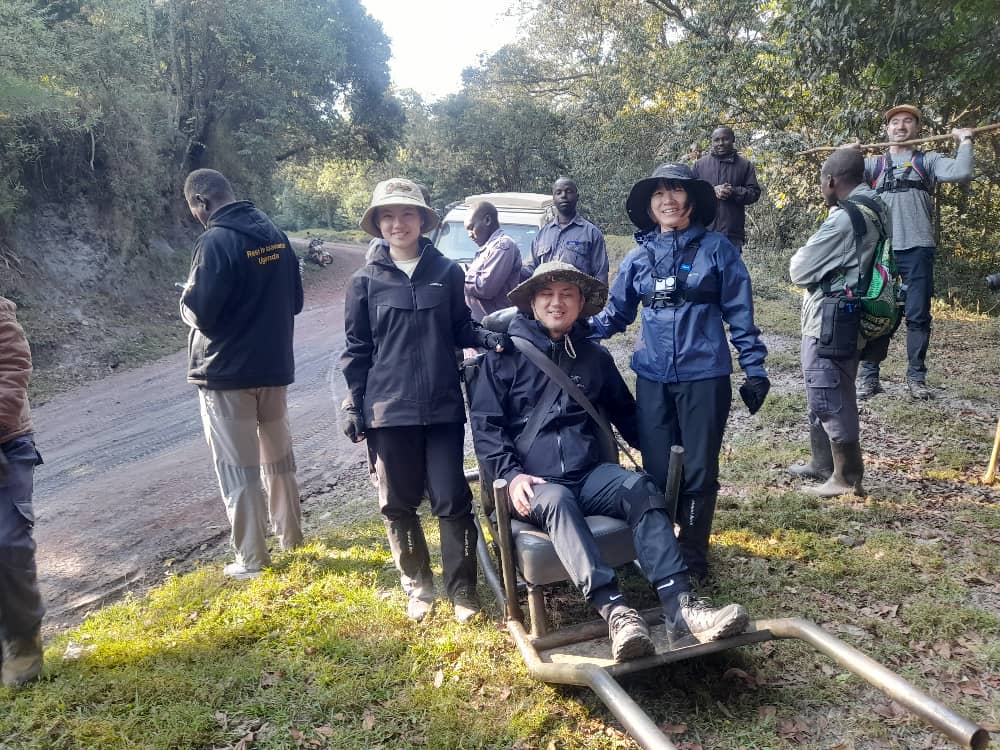
Travelers with Disabilities
Gorilla habituation is generally not recommended for most travelers with significant mobility challenges.
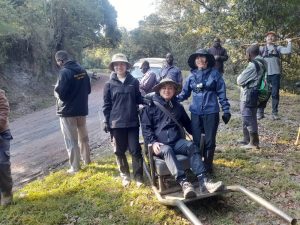
The terrain in Bwindi Impenetrable National Park is often steep, uneven, muddy, and densely vegetated. Unlike some standard gorilla trekking experiences, where sedan chair services can occasionally assist visitors, habituation routes are often more challenging and unpredictable.
Travelers with disabilities should consult tour operators, medical professionals, and park authorities before considering the experience. In many cases, a standard gorilla trek with appropriate support arrangements may be a safer and more enjoyable alternative.
People with Underlying Medical Conditions
Visitors with cardiovascular conditions, respiratory illnesses, severe arthritis, chronic pain, or other significant health concerns should carefully evaluate whether gorilla habituation is appropriate.
The activity involves prolonged hiking, changing weather conditions, high humidity, and potentially strenuous physical exertion. These factors can place additional stress on individuals with existing health issues.
Medical advice should always be sought before booking the experience, especially for travelers managing chronic conditions.
Travelers on Tight Budgets
For some visitors, the additional conservation insights and extended viewing time may not justify the higher permit cost.
A standard gorilla trekking permit still provides an unforgettable encounter with mountain gorillas and remains one of Africa’s greatest wildlife experiences. Travelers with limited budgets may find greater overall value by combining gorilla trekking with other safari activities rather than allocating a large portion of their budget to habituation.
Questions to Ask Yourself before Booking
Before deciding on gorilla habituation, ask yourself whether you enjoy physically demanding outdoor activities. Consider whether you are comfortable hiking for several hours through mountainous rainforest terrain and whether spending a full day in the forest sounds exciting rather than exhausting.
You should also think about your budget and determine whether the additional cost aligns with your travel priorities. Travelers interested primarily in seeing gorillas may find standard trekking sufficient, while those seeking a deeper conservation experience may consider the higher price worthwhile.
Most importantly, honestly assess your physical condition and overall health. Gorilla habituation rewards preparation and endurance, but it can be challenging for those who are not adequately prepared.
Final Verdict: Is Gorilla Habituation Right for You?
Gorilla habituation is one of the most immersive wildlife experiences available anywhere in Africa. The opportunity to spend up to four hours with mountain gorillas, learn from conservation experts, and witness the habituation process firsthand makes it an extraordinary adventure for the right traveler.
However, it is not automatically the best choice for everyone. The experience requires greater physical effort, longer hours in the forest, stronger endurance, and a significantly larger financial commitment than standard gorilla trekking. Elderly travelers, individuals with disabilities, people with underlying medical conditions, and visitors seeking a less demanding wildlife experience may find that traditional gorilla trekking offers a more comfortable and practical alternative.
Ultimately, gorilla habituation is best suited for adventurous travelers who are physically fit, passionate about wildlife conservation, willing to invest in a premium experience, and eager to gain a deeper understanding of mountain gorillas beyond a typical tourist encounter. For those who meet these criteria, the experience can be one of the most rewarding and unforgettable wildlife adventures on the planet.