Uganda has taken a historic step in wildlife conservation with the reintroduction of the endangered southern white rhino to Kidepo Valley National Park—43 years after the last rhino was seen there. This milestone not only restores a species to its former range but also highlights Uganda’s leadership in the broader African struggle to save rhinos from extinction.
The African Rhino Crisis: A Continental Struggle
Across Africa, rhinos have faced relentless pressure from poaching, habitat loss, and political instability. The southern white rhino, once widespread across southern and eastern Africa, was nearly driven to extinction in the late 19th century, with fewer than 100 individuals surviving in South Africa. Intensive conservation efforts—including translocations, breeding programs, and strict protection—helped the species recover to over 20,000 individuals by the early 2000s.
However, the resurgence of poaching driven by demand for rhino horn in illegal markets has once again placed populations under severe threat. Countries such as South Africa, Kenya, Namibia, and now Uganda have invested heavily in anti poaching measures, community conservation, and habitat restoration to safeguard the species. Uganda’s reintroduction of rhinos to Kidepo and Ajai is part of this continental movement to restore rhinos to their historical ranges and ensure their survival for future generations.
Uganda’s Rhino Recovery Journey
Uganda’s rhinos were wiped out in the wild by the early 1980s due to poaching and insecurity. The last rhino in Kidepo Valley National Park was killed in Narus Valley in 1983. Recognizing the urgency of recovery, Uganda established Ziwa Rhino Sanctuary in 2005 as a breeding and protection program.
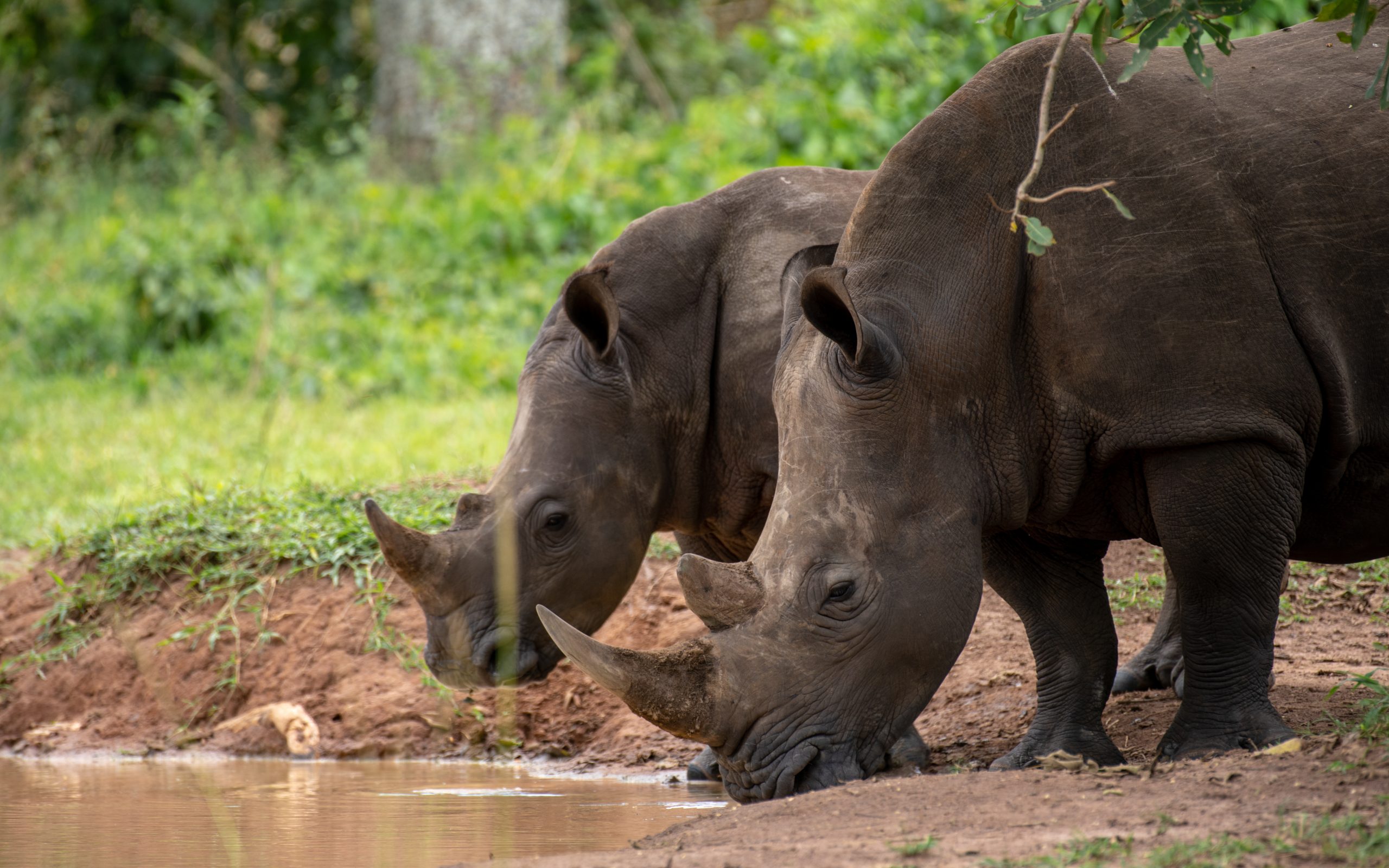
The sanctuary has since grown into a thriving population, supported by the importation of additional rhinos from South Africa. Today, Uganda hosts 61 southern white rhinos, creating the foundation for expansion into new habitats such as Kidepo Valley National Park and Ajai Wildlife Reserve.
The Historic Reintroduction to Kidepo
The Uganda Wildlife Authority (UWA) flagged off the first two rhinos from Ziwa to Kidepo Valley National Park, with a total of eight planned for translocation. Dr. James Musinguzi, UWA’s Executive Director, described the event as “the beginning of a new rhino story for Kidepo Valley National Park.”
Extensive groundwork has prepared Kidepo for the return of rhinos, including perimeter fencing, ranger facilities, water infrastructure, firebreaks, and monitoring systems. Upon arrival, the rhinos were placed in a secure sanctuary within the park, where they will be closely monitored by rangers and veterinary teams to ensure successful adaptation.
Ajai Wildlife Reserve: The Next Frontier
Ajai Wildlife Reserve, once home to Uganda’s northern white rhinos, has also been identified as a suitable site for reintroduction. The reserve’s intact savannah ecosystem and improved security conditions make it a promising location for expanding Uganda’s rhino population. Together, Kidepo and Ajai represent a strategic effort to restore rhinos to multiple landscapes, strengthening both species recovery and ecosystem integrity.
Partnerships Driving Success
Uganda’s rhino reintroduction is supported by Wild Landscapes East Africa (WLEA), Northern Range Lands Trust (NRT), and the Uganda Conservation Foundation (UCF). These partners have contributed technical expertise, infrastructure development, and logistical support. Their collaboration demonstrates the power of partnerships in tackling one of Africa’s most pressing conservation challenges.
Ecological and Tourism Impact
Rhinos are keystone species, shaping habitats by grazing and influencing vegetation patterns. Their return restores ecological completeness to Uganda’s savannah ecosystems, benefiting other wildlife and enhancing ecosystem resilience.
From a tourism perspective, the reintroduction strengthens Uganda’s appeal as a Big Five safari destination, offering visitors the chance to see lions, elephants, buffalo, leopards, and now rhinos in Kidepo Valley National Park. This development is expected to boost tourism revenue, support local communities, and reinforce Uganda’s reputation as a leader in conservation.
Looking Ahead
Uganda’s reintroduction of rhinos to Kidepo and Ajai is more than a national achievement—it is part of Africa’s collective fight to save rhinos from extinction. With continued monitoring, community involvement, and strong partnerships, Uganda is poised to secure a sustainable future for the southern white rhino.
The story of Uganda’s rhinos is one of resilience: from extinction in the wild to recovery at Ziwa, and now to their triumphant return to historic ranges. It is a reminder that with commitment and collaboration, even the most endangered species can be given a second chance.