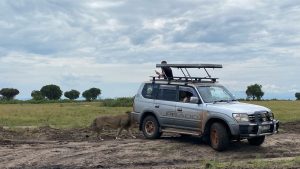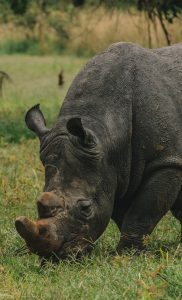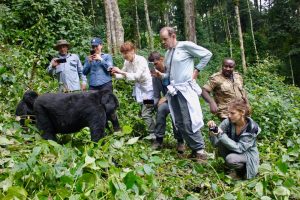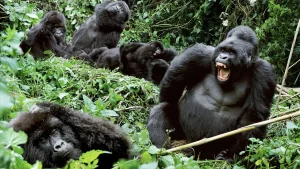
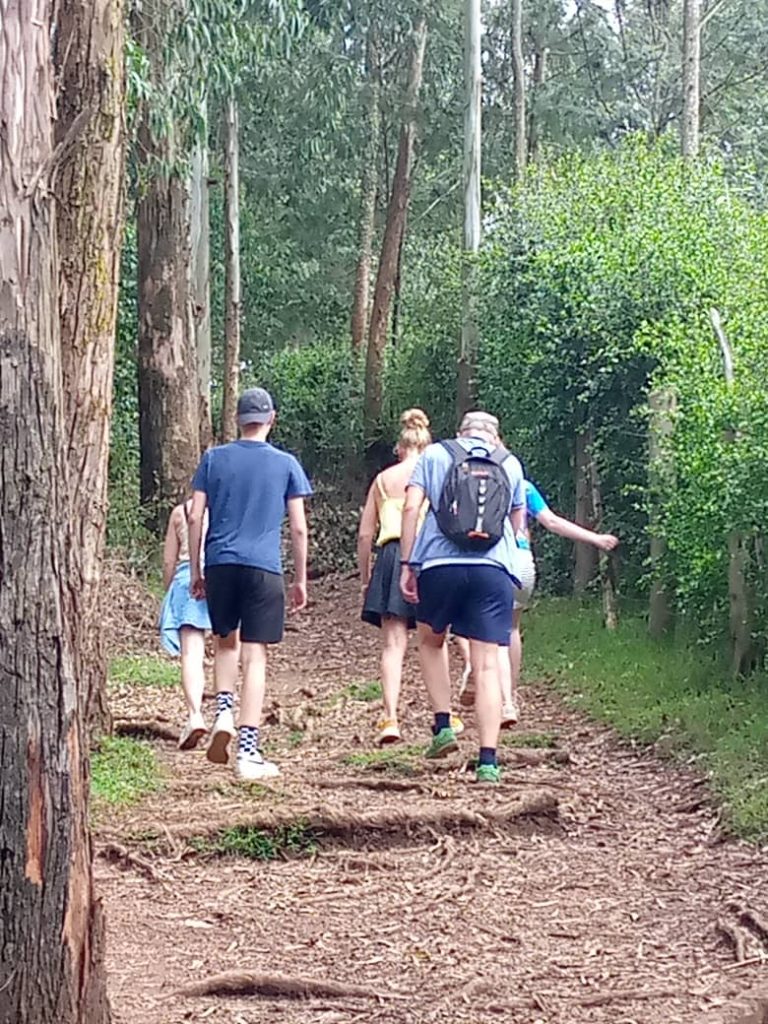
Imagine this: you wake up in Uganda, the mist still hanging over the forest canopy. The air is cool, and somewhere in the distance, you hear the calls of chimpanzees echoing through the forest. In Rwanda, you find yourself trekking up volcanic slopes, the anticipation building as you prepare to meet a family of mountain gorillas face-to-face. These are the moments you’ve been dreaming of – the heart of Africa, alive with adventure.
But before you step into this world of breathtaking wildlife and landscapes, there’s something equally important to prepare: your health. Vaccinations, malaria prevention, and a few smart precautions will ensure that your safari tour is not only unforgettable but also safe.
Why Health Preparation Matters
A safari takes you into regions where certain diseases are more common. Knowing which vaccines are required, which ones are recommended, and how to protect yourself against malaria is essential.
Routine vaccinations should be up to date before you travel. These include tetanus, diphtheria, polio, typhoid, hepatitis A and B, yellow fever, rabies, and meningitis.
Plan ahead: visit your doctor or a travel clinic at least 4–6 weeks before departure. This gives enough time for vaccines to take effect and for multi-dose series to be completed.
Mandatory Vaccines
Yellow Fever
Uganda requires a valid yellow fever vaccination certificate from all foreign visitors and citizens over 1 year of age travelling from an infected area or having been in transit through infected areas (>12 hours).
This rule applies to travelers from the following countries: Angola, Argentina, Benin, Bolivia, Brazil, Burkina Faso, Burundi, Cameroon, Central African Republic, Colombia, Costa Rica, Congo, Cote d’Ivoire, Democratic Republic of Congo, Ecuador, El Salvador and Equatorial Guinea.
Others are Ethiopia, French Guyana, Gabon, Gambia, Ghana, Guatemala, Guinea, Guinea Bissau, Kenya, Liberia, Mali, Mauritania, Honduras, Nicaragua, Nigeria, Panama, Paraguay, Peru, Rwanda, Sao Tome and Principe, Senegal, Sierra Leone, South Sudan, Sudan, Suriname, Togo, Trinidad and Venezuela.
Yellow Fever requirements for Rwanda
In Rwanda, there is a bit of a difference as proof of vaccination is required if a visitor is arriving from a yellow fever endemic country. However, visitors are advised to check the latest advisories from health and immigration authorities in Rwanda.
The CDC also recommends the vaccine for all travelers to Uganda and Rwanda aged 9 months and older.
Routine Vaccinations
Before international travel, make sure your routine vaccinations are up to date. They usually include:
- Measles, Mumps, Rubella (MMR)
- Tetanus, Diphtheria, Pertussis (Tdap)
- Influenza (flu shot)
Check with your health provider to ensure you are current on these.
Malaria Precautions
Uganda and Rwanda are high-risk malaria zones. Protect yourself by:
- Taking preventive medication (such as atovaquone-proguanil, doxycycline, or mefloquine) as prescribed by your doctor.
- Starting medication before your trip and continuing after you return.
- Using insect repellents with DEET, wearing long sleeves and pants at dusk and dawn, and sleeping under treated mosquito nets.
- Choosing accommodations with screened windows or air conditioning.
Malaria prevention
- A very vital consideration given you are visiting the tropics. Both Uganda and Rwanda are high-risk. Malaria is caused by a parasite transmitted by Anopheles mosquitoes – active from dusk to dawn.
- Most of Uganda and Rwanda including the popular safari destinations like Bwindi, Queen Elizabeth National Park, Murchison Falls National Park, Kibale National Park, Akagera National Park, Nyungwe National Park and Volcanoes National Park are considered high risk for malaria
- Visitors are advised to consult your doctor about starting prophylactic anti-malaria medication ahead of their Uganda and Rwanda trip. Options of anti-malaria medications include; atovaquone-proguanil, doxycycline, or mefloquine. It is recommended to begin taking the anti-malaria drugs that have been recommended by your doctor before and after your Uganda safari.
- Mosquito protection when in Uganda and Rwanda: Use insect repellants containing DEET, wear long sleeves and pants during down and dusk, sleep under insecticide-treated mosquito nets. We recommend stay at accommodation facilities with window screens or air conditioning.
Recommended Vaccines
Hepatitis A
Transmitted through contaminated food/water. Recommended for all travelers to Uganda and Rwanda regardless of trip duration. It protects against a liver infection that can cause fever, jaundice and nausea.
Hepatitis B
Spread through blood, tattoos, sexual contact and bodily fluids. This is important of you may have medical procedure, sexual contact or an extended stay.
Typhoid
Caused by contaminated food, fruit or water. Especially recommended if you plan to eat street food or visit rural areas.
Cholera
Cholera is rare but possible in some parts of Uganda. Vaccine is recommended if you are visiting areas with active cholera outbreaks or poor sanitation.
Rabies
Transmitted via animal bites or scratches. This vaccine is recommended for travelers spending a lot of time outdoors, visiting the rural areas and working with animals.
Meningococcal Meningitis
Recommended for Uganda (part of the African meningitis belt) and Rwanda during dry seasons (Dec–Jun).
COVID-19 Considerations
Check entry requirements for both countries, as policies may change. Vaccination proof or negative tests might be needed.
Exemption from Vaccination
Sometimes travelers cannot take certain vaccines due to medical reasons. Yellow fever vaccination may be waived if:
- You have severe allergies to vaccine components.
- You are immunocompromised.
- You are under 9 months old.
- You are pregnant or breastfeeding.
- You are elderly with health risks.
In these cases, you’ll need a signed medical waiver from a licensed physician. Contact the Ugandan or Rwandan embassy before travel, and carry the waiver with your documents.
What do you need for an exemption?
Travelers have got to obtain a signed medical waiver letter from a licensed physician detailing the contraindication. Ahead of travel, a visitor should contact the Ugandan embassy/consulate in advance for approval. On arrival, have the waiver handy with all of your other travel documents.
Given that Rwanda requires vaccination if a visitor is arriving from a yellow-fever endemic country, carry the medical waiver and consult Rwandan authorities beforehand. The medical waiver letter must be signed by a doctor, stating the reason for exemption (e.g., allergy, pregnancy).
Non-Vaccine Health Advice
Malaria Prevention: Use DEET repellent, bed nets, and wear long sleeves. Start anti-malarials pre-trip.
Food/Water Safety: Drink bottled water, avoid raw foods, and practice hand hygiene.
Insect Protection: Guard against mosquitoes (malaria, dengue) and tsetse flies (sleeping sickness).
Altitude Sickness: In Rwanda (e.g., Volcanoes NP, Kigali), acclimatize slowly and stay hydrated.
Schistosomiasis: Avoid swimming in freshwater lakes/rivers.
Wildlife Safety: Follow park guidelines; maintain distance from animals.
Local Health Infrastructure: Urban clinics in Kampala and Kigali offer basic care, but serious issues may require evacuation. Ensure travel insurance or your local tour operator has AMREF cover for medical emergencies.
When to get vaccinated and Where?
Visit a travel clinic 4–6 weeks pre-departure to finalize vaccines and health plans. This allows enough time for vaccines to become effective and for you to complete the vaccine series.
Check for certified yellow fever vaccination centers in your country. Some vaccines require booster doses or multiple jabs, so early planning is key.
Summary: Essential Vaccines & Preparation
Yellow Fever: Required for Uganda; required for Rwanda only if arriving from endemic countries.
Hepatitis A & B: Strongly recommended.
Typhoid & Cholera: Recommended depending on your itinerary.
Rabies: Recommended if spending time outdoors or with animals.
Routine Vaccines: Ensure you’re up to date.
Malaria Prevention: Strongly recommended—take medication and use repellents.
Conclusion
A safari in Uganda or Rwanda is more than a trip—it’s an adventure into the wild heart of Africa. With the right health preparations, you’ll be free to focus on the thrill of gorilla trekking, the beauty of the savannah, and the rich cultures you’ll encounter.
And when you return home, you’ll carry not just memories of lions on the plains or gorillas in the mist, but also the peace of knowing you stayed safe and healthy throughout. That’s the true key to enjoying every moment of your safari—prepared, protected, and ready for wonder.