Imagine trekking through mist-shrouded forests to encounter mountain gorillas in Uganda, then crossing into Rwanda to walk in the footsteps of renowned primatologist Dian Fossey. Picture vast savannahs teeming with elephants and other members of the Big Five, boat cruises along the Nile, chimpanzees calling through equatorial forests, and canopy walks high above the trees. Add to this vibrant cultures shaped by resilience and warmth.
A combined Uganda–Rwanda safari offers the ultimate East African safari adventure where wildlife, landscapes, cuisine, and humanity intertwine. To fully experience the major highlights of both countries, a journey of 20 days or more is ideal. Such an itinerary becomes a symphony of wildlife and culture, enhanced by welcoming locals, seamless cross-border travel, and the convenience of a single visa for both nations.
Why Combine Uganda and Rwanda for a Safari Tour?
Gorilla Trekking in Uganda and Rwanda: A Once-in-a-Lifetime Safari Experience
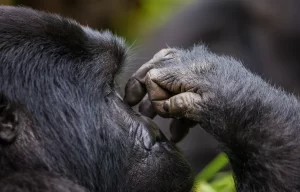
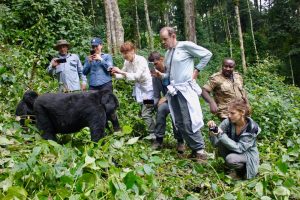
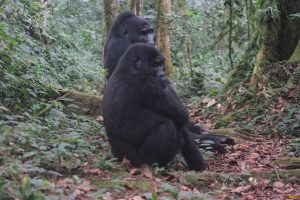
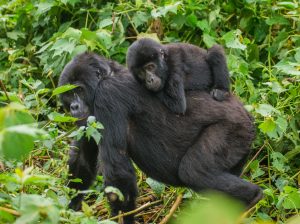
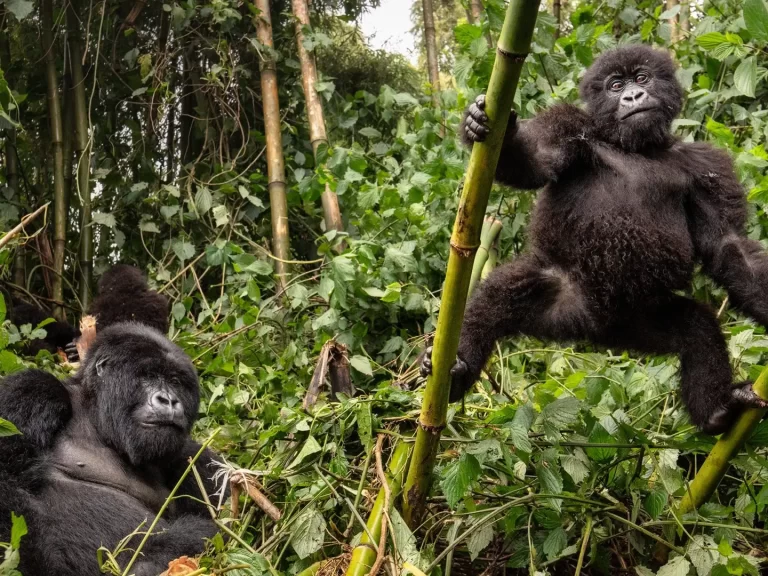
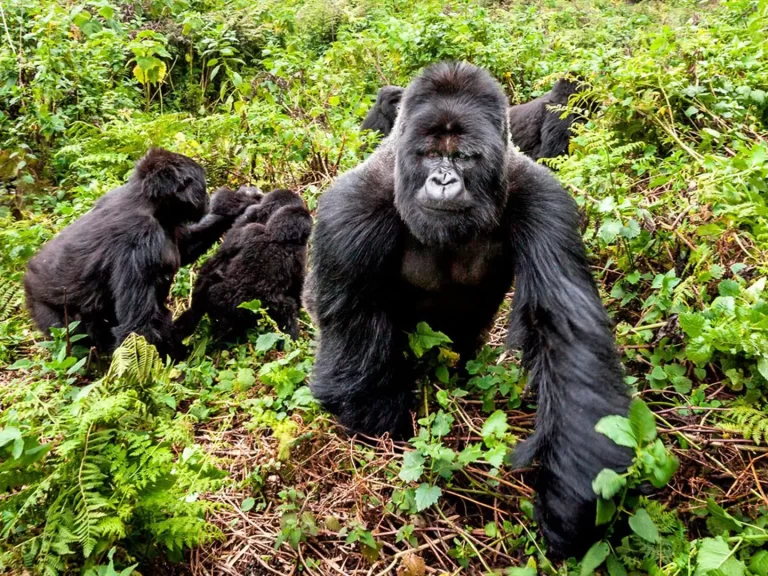
Mountain gorillas are the crown jewel of East Africa wildlife tourism. Trekking through the slopes of Bwindi or Volcanoes National Park requires stamina, patience, and sometimes multiple attempts to secure sightings. A longer gorilla trekking safari allows flexibility to schedule treks—or even a habituation experience—in both countries, increasing your chances of unforgettable encounters.
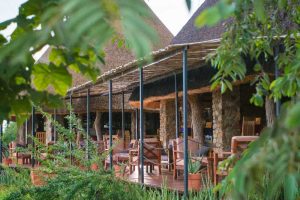
Experiencing gorilla trekking in Uganda and Rwanda in two distinct ecosystems adds depth to your journey: Uganda’s Bwindi Impenetrable Forest offers dense jungle terrain, while Rwanda’s Volcanoes National Park features scenic volcanic slopes. While Rwanda’s permits are more expensive, treks there are generally less strenuous. Rwanda also offers more developed, high-end tourism infrastructure, with luxury lodges set in breathtaking natural surroundings.
Uganda vs Rwanda Landscapes: The Pearl of Africa vs The Land of a Thousand Hills
Uganda’s landscapes are strikingly diverse—making it one of the top African safari destinations—with rolling plains, lush highlands, dramatic mountains, and shimmering lakes and rivers. From expansive savannahs to dense equatorial forests, and even the snow-capped Rwenzori Mountains along the western Rift Valley, Uganda’s terrain is a masterpiece of contrasts.
Rwanda, by comparison, presents a more sculpted beauty. Its rolling hills, neatly arranged tea plantations, and emerald-green countryside create a manicured, almost poetic landscape. While southwestern Uganda blends geographically into Rwanda, the atmosphere shifts as you move deeper into Rwanda’s orderly and refined environment.
Kigali, Rwanda’s capital, reflects this transformation. Built across hills and valleys, the city is clean, organized, and vibrant—often likened to a well-planned European city. Visitors can explore museums, art centers, and markets, hike Mount Kigali, take cooking classes, or visit the Genocide Memorial for a deeply moving historical experience.
Uganda–Rwanda Safari Logistics: Easy Cross-Border Travel
Traveling between the two countries is remarkably simple. A four-hour drive connects Kisoro in Uganda to Musanze in Rwanda—no flights required. The East Africa Tourist Visa allows travel across Uganda, Rwanda, and Kenya for up to 90 days, making a Uganda Rwanda safari tour both practical and efficient.
Wildlife Safari in Uganda and Rwanda: Big Five and Primate Experiences
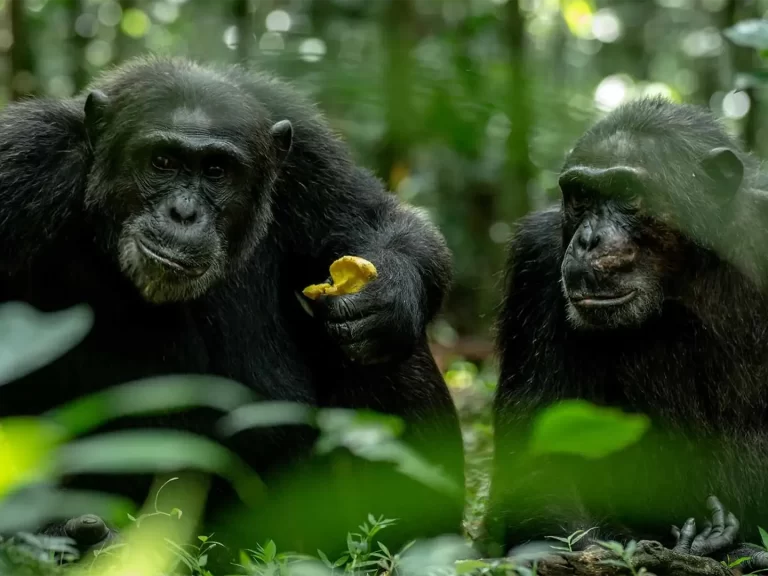
Uganda offers classic African wildlife safari experiences, including game drives to spot the Big Five animals in Africa. It is also home to chimpanzees in Kibale National Park and the famous tree-climbing lions of Queen Elizabeth National Park. Boat safaris along the Nile in Murchison Falls National Park and the Kazinga Channel provide exceptional wildlife viewing.
For birding enthusiasts, Uganda is a paradise, especially with its unique Albertine Rift endemic species.
Rwanda, while best known for gorilla trekking safaris, also offers golden monkey tracking, rich bird-life, scenic lakes, and a strong cultural identity centered around Kigali and its heritage sites.
With a longer itinerary, you won’t have to choose between gorillas or big game—you can experience both, and more on a complete East Africa safari tour.
Cultural Experiences in Uganda and Rwanda
Wildlife is only part of the story. Both Uganda and Rwanda offer rich cultural experiences that bring depth to your African safari holiday.
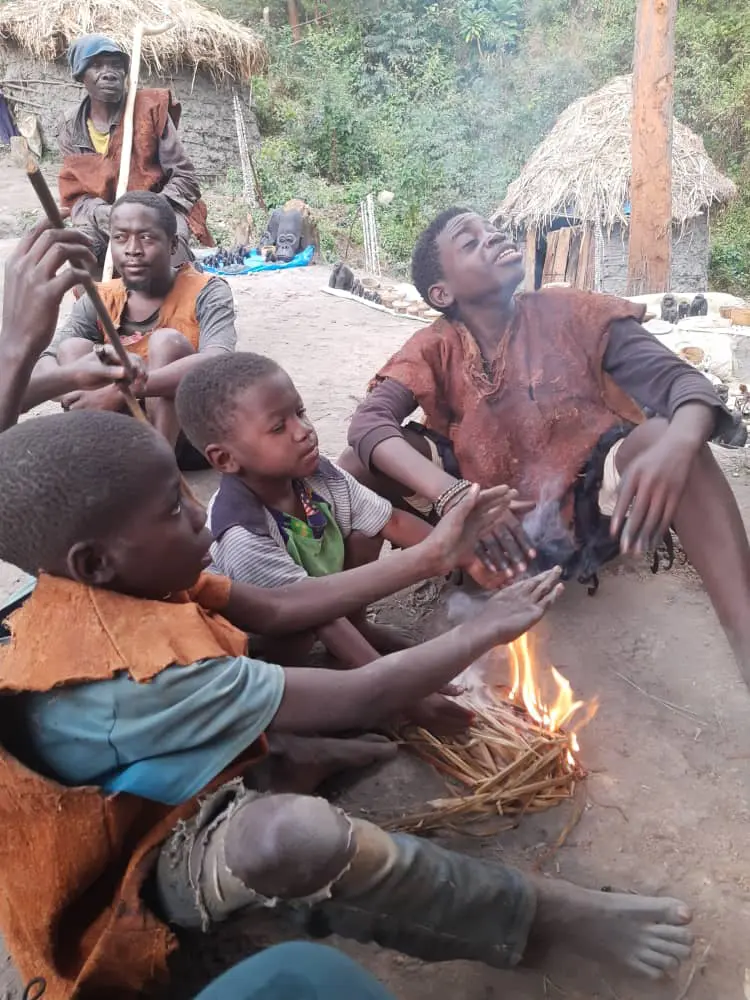
Uganda is home to over 50 ethnic groups, each with its own language, cuisine, and traditions. From central cultural hubs to smaller communities like the Batwa near Bwindi and Mgahinga, visitors can engage with local ways of life—learning traditional crafts, exploring indigenous foods, and discovering ancient knowledge of forest medicine.
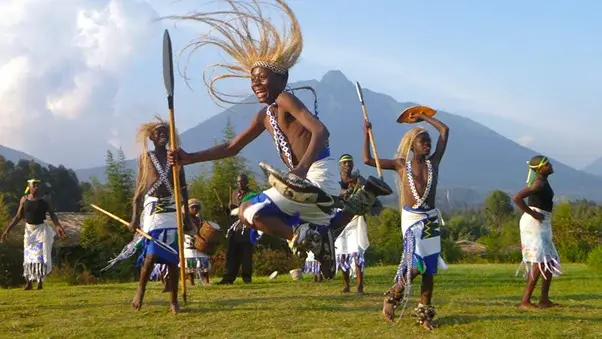
Rwanda’s cultural experiences are equally compelling. At cultural centers, visitors are captivated by energetic dance performances, traditional music, and striking attire. Places like the Gorilla Guardians Village offer hands-on experiences with local artisans, painters, sculptors, and weavers, bringing Rwanda’s artistic heritage to life.
A longer stay allows for meaningful engagement rather than brief, rushed encounters.
Space to Breathe on a Uganda–Rwanda Safari Itinerary
Safari travel can be demanding, with early mornings, long drives, and physically challenging treks. A well-paced Uganda Rwanda safari itinerary includes time to relax at serene locations such as Lake Kivu, Lake Bunyonyi, or Jinja. These peaceful settings provide opportunities to unwind, enjoy boat rides, and recharge between adventures.
Why a Longer Uganda–Rwanda Safari is a Smart Choice
A longer African safari tour offers flexibility. Weather changes, wildlife movements, and personal energy levels are easier to manage when time is on your side. Instead of rushing between destinations, you can adapt your plans without missing key highlights.
From a value perspective, spreading the cost of permits and accommodations over a longer trip maximizes your investment. It also reduces travel fatigue, allowing you to fully enjoy each destination.
The Emotional Impact of an East African Safari
Travelers often describe this journey as transformative. Spending nearly three weeks immersed in nature and culture fosters deeper reflection and connection. It’s not just about ticking off experiences—it’s about truly feeling part of the landscapes and communities you encounter.
Best Time for a Uganda–Rwanda Safari
The dry seasons from June to September and December to February are ideal for gorilla trekking and wildlife safaris in Uganda and Rwanda. During these months, animals gather around water sources, and forest trails are less slippery, making trekking easier.
Permits for gorilla and chimpanzee trekking should be booked at least four months in advance due to limited availability. Daytime temperatures average around 23°C, cooling to 16–19°C at night.
Cultural events, such as Rwanda’s annual Kwita Izina gorilla-naming ceremony, add a vibrant dimension to your combined safari tour.
What to Pack for a Uganda–Rwanda Safari Adventure
For a three-week African safari holiday, pack smart. Lightweight, breathable clothing is ideal for warm days, while layers are essential for cooler evenings in highland areas.
Durable walking shoes, sunscreen, and a trekking pole are important, especially for forest hikes. Binoculars and a camera will enhance your wildlife experience. Carrying some local currency is also helpful for places where cards may not be accepted.
Uganda–Rwanda Safari Travel Tips: Visas, Health, and Safety
Uganda requires visas to be obtained in advance, while Rwanda offers visas on arrival. However, the East Africa Tourist Visa is the most convenient option for a Uganda Rwanda safari tour.
If your trip begins in Uganda, apply for your visa well in advance. If starting in Rwanda, you can complete the process upon arrival in Kigali.
Carry a basic health kit with essentials such as insect repellent (preferably with DEET) and any necessary medications. Stay aware of your surroundings and keep emergency contacts accessible.
Uganda–Rwanda Safari: More Than a Trip
A 20-day Uganda–Rwanda safari is more than a trip—it’s a journey. It offers the chance to experience gorilla trekking in Uganda, see lions on a wildlife safari, raft the Nile, relax by Lake Kivu, and engage deeply with history and culture.
For travelers seeking a complete East African safari experience, this extended adventure is the most rewarding way to explore the region.