For decades, gorilla trekking was widely regarded as an adventure reserved for young, physically fit travelers willing to push their limits in remote forests. That perception has shifted dramatically. Thanks to thoughtful planning, improved infrastructure, and an increasingly inclusive approach to wildlife tourism, gorilla trekking for seniors and elderly travelers is now not only possible, it is becoming one of the most sought-after bucket-list experiences for older adventurers.
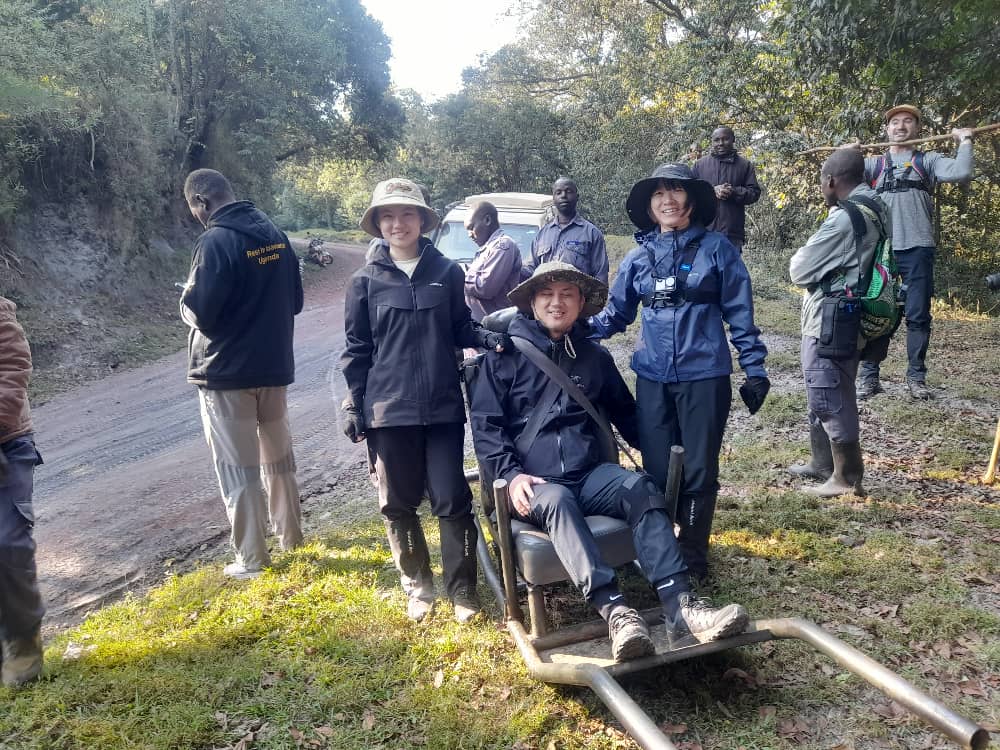
This guide covers everything elderly travelers need to know; from choosing between standard trekking and the extended gorilla habituation experience, to permit costs, mobility support options, recommended destinations, and practical packing tips.
Why Mountain Gorillas Are Worth Traveling For
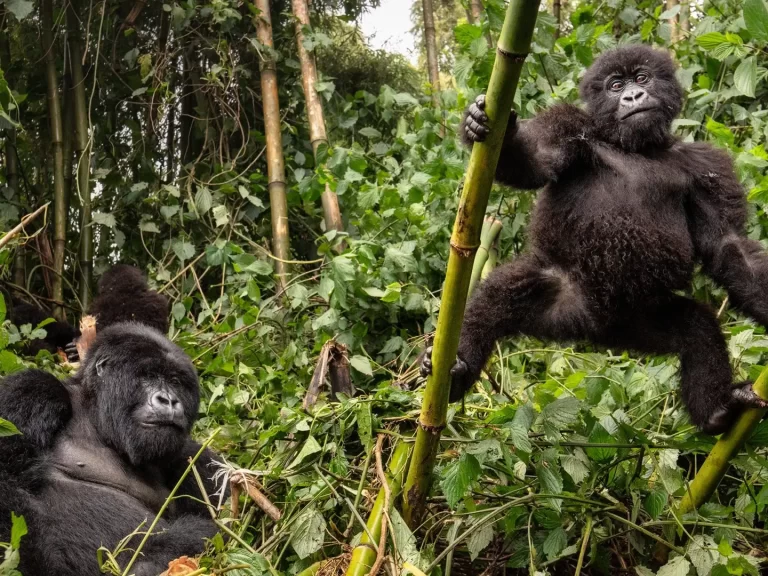
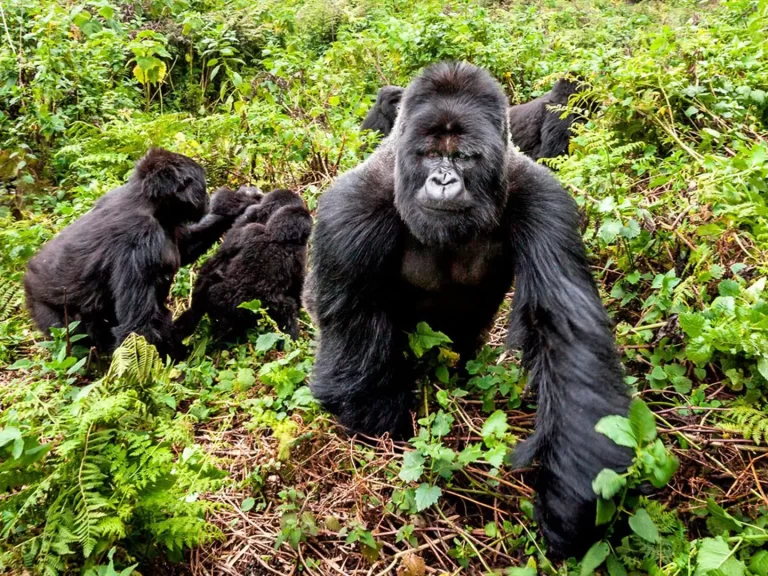
Few wildlife encounters in the world compare to spending time with mountain gorillas in their natural habitat. These remarkable primates share approximately 98% of their DNA with humans, and their emotional depth, complex family bonds, and social behavior make the encounter feel profoundly personal, not merely a wildlife sighting.
Mountain gorillas exist only in a handful of protected areas across Uganda, Rwanda, and the Democratic Republic of Congo. Decades of intensive conservation work have slowly grown their global population to just over 1,000 individuals, yet they remain listed as endangered. Visiting them directly funds the protection programs keeping them alive.
Key habitats include Bwindi Impenetrable National Park, Mgahinga Gorilla National Park, Volcanoes National Park in Rwanda, and Virunga National Park in the DRC. Each destination requires a permit, ensuring visitor numbers remain strictly controlled and the experience stays exclusive and meaningful.
Gorilla Trekking vs. Gorilla Habituation Experience: What’s the Difference?
Standard gorilla trekking involves hiking into the forest to locate a habituated gorilla family, with visitors spending one hour in their presence. This option is available in Uganda, Rwanda, and the DRC, and is the most widely chosen format.
The gorilla habituation experience is unique to Uganda’s Bwindi Impenetrable National Park. Visitors join researchers and rangers to accompany a semi-habituated gorilla group for up to four hours, offering a far deeper window into gorilla behavior, communication, and daily routines.
For elderly or senior travelers, the choice largely depends on physical stamina. Standard trekking is shorter and generally less demanding, while the habituation experience requires extended time in the forest. Both, however, can be meaningfully adapted for older visitors with the right support in place.
Permit Costs and Why Booking Early Matters
Gorilla permits are limited in number and sell out quickly, particularly for gorilla families closer to the forest edge, which tend to be assigned to elderly trekkers and those with mobility needs.
Current permit pricing:
- Uganda – Gorilla Trekking: USD 800 per person
- Uganda – Gorilla Habituation Experience: USD 1,500 per person
- Rwanda – Volcanoes National Park: USD 1,500 per person
- DR Congo – Virunga National Park: USD 400–450 per person
Because only a small number of visitors are permitted per gorilla family each day, early booking is strongly advised especially for senior gorilla trekking where access to easier-to-reach groups is a priority.
How Gorilla Parks Accommodate Senior and Elderly Trekkers
There is no denying that the terrain in gorilla parks is challenging with steep slopes, muddy paths, and dense vegetation are par for the course. Trek duration can range from under an hour to several hours depending on where the gorillas are ranging. But gorilla trekking accessibility for seniors has improved considerably.
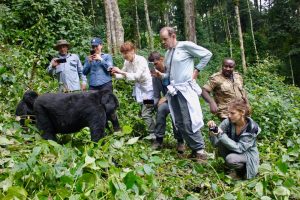
At the morning briefing before each trek, rangers identify visitors with mobility limitations or reduced physical capacity. These guests are then deliberately matched with gorilla families known to frequent areas closer to the starting point or in less steep terrain; a simple arrangement that often results in treks of under one hour while still delivering a full, immersive encounter.
Support Services: Sedan Chairs, Stretchers, and Porters
Some of the most important developments in inclusive gorilla tourism are the dedicated support services now widely available:
Sedan Chairs: Purpose-built chairs mounted on a sturdy frame and carried by trained porters through the forest. Visitors sit comfortably while being transported to the gorilla families, removing the physical demands of hiking entirely.
Stretchers: Available for visitors who need to lie down or require additional physical support. A larger team of porters ensures a safe and stable journey through the forest.
Porter Support: Hiring porters is strongly recommended regardless of mobility level. They carry bags, offer a steadying hand on slippery trails, and contribute significantly to the safety and comfort of the trek. The cost for sedan chairs or stretchers typically falls between USD 400 and 500; a worthwhile investment for those who need it.
Beyond personal benefit, hiring local porters is also a direct contribution to community livelihoods and gorilla conservation in Uganda, making the decision both practical and purposeful.
Best Destinations for Senior Gorilla Trekking
Bwindi Impenetrable National Park, Uganda consistently ranks as the top destination for elderly trekkers. Its large number of habituated gorilla families spread across multiple sectors means there are always options for easier, shorter treks.
Within Bwindi, the Ruhija sector is particularly well-suited for seniors, as gorilla families here are frequently located near the trailheads. The Buhoma and Rushaga sectors also offer accessible options depending on daily gorilla movements.
Volcanoes National Park, Rwanda is another strong option. The park is efficiently organized, the drives to trailheads are shorter, and the infrastructure supporting visitors is well-developed, though the terrain can still be steep in places.
Getting There: Transport Options for Elderly Visitors
The road journey from Entebbe International Airport to Bwindi can take up to ten hours. For senior safari travelers in Uganda, domestic charter or scheduled flights are the preferred option. Flights from Entebbe or Kajjansi to nearby airstrips such as Kisoro or Kihihi reduce travel time to approximately two hours and eliminate much of the physical toll of a long road trip.
For those who prefer the road, breaking the journey into stages is highly recommended. Stopovers at Queen Elizabeth National Park or Lake Mburo National Park provide both rest time and additional wildlife viewing opportunities along the way.
Safety and Security in Gorilla Trekking Destinations
Gorilla encounters are closely managed and considered safe, provided visitors follow the guidelines: maintain a respectful distance, avoid sudden movements, and follow ranger instructions at all times. Each group is accompanied by experienced armed rangers trained in wildlife management and emergency response.
Uganda and Rwanda are regarded as stable and visitor-friendly destinations. Travelers considering the DRC should review current government travel advisories beforehand, as security conditions can vary by region.
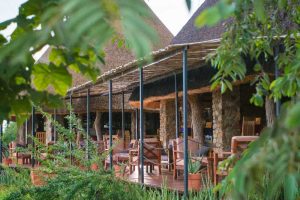
Accommodation for Elderly Gorilla Trekking Visitors
Staying close to the park is especially beneficial for elderly gorilla safari visitors, as it minimizes travel time on the morning of the trek.
Around Bwindi Impenetrable National Park, lodging options span a wide range:
- Luxury lodges: Spacious en-suite rooms, hot water, and in some cases, accessibility features such as ramps and wider doorways.
- Mid-range lodges: Comfortable, well-located properties offering reliable amenities and transport arrangements to trekking points.
- Budget options: Basic but adequate facilities for travelers looking to keep costs manageable.
What to Pack: Senior Gorilla Trekking Packing List
Preparation makes a significant difference. Recommended items include:
- Personal medications and a small first-aid kit
- Light snacks and a refillable water bottle
- Waterproof rain jacket since forest weather is unpredictable
- Long-sleeved shirt and trousers for insect and vegetation protection
- Sturdy, well-fitted hiking boots with grip soles
- Walking sticks (often provided at park headquarters)
- Light gloves for gripping vegetation on steep sections
Health and Fitness Considerations for Senior Trekkers
A basic level of fitness is still helpful, even with all available support. Seniors are strongly encouraged to consult their doctor before traveling, particularly those managing ongoing health conditions. It is equally important to communicate any physical limitations to your tour operator well in advance, so that suitable porter arrangements and gorilla family assignments can be made.
On the day of the trek, the most important principles are simple: take your time, stay hydrated, and pay attention to how your body feels.
The Emotional Impact of Meeting Mountain Gorillas
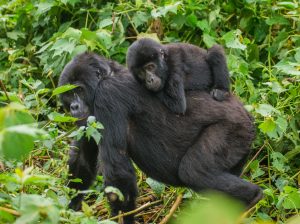
Ask any senior who has completed a gorilla trek, and they will tell you it ranks among the most moving experiences of their lives. Sitting quietly in the forest as a gorilla family goes about its morning, a silverback keeping watch, juveniles wrestling playfully, a mother cradling her infant; creates a stillness and connection that is difficult to put into words.
The encounter leaves most visitors with a renewed appreciation for the natural world and a personal stake in the future of mountain gorilla conservation.
Conclusion: Age Is Not a Barrier to Meeting Mountain Gorillas
The idea that gorilla trekking is only for the young and fit is simply no longer true. From carefully assigned trekking groups and sedan chair transport to well-appointed lodges and expert ranger support, the entire gorilla tourism ecosystem has evolved to welcome elderly and senior visitors.
Destinations like Bwindi Impenetrable National Park lead the way in making this possible, ensuring that age or limited mobility is not the final word on whether someone can experience one of nature’s most extraordinary encounters.
With the right planning, the right support, and a trusted tour operator, this once-in-a-lifetime experience is firmly within reach no matter your age.