Rwanda has quietly risen to become one of Africa’s most celebrated destinations for eco-conscious travellers. Nicknamed the “Land of a Thousand Hills,” this small but breathtaking country offers far more than wildlife encounters – it stands as a compelling model for how tourism can actively drive conservation, safeguard fragile ecosystems, and empower local communities. Across its diverse landscapes, eco lodges in Rwanda have redefined responsible travel by weaving together genuine comfort and meaningful purpose.
From the mist-draped slopes of Volcanoes National Park to the ancient canopy of Nyungwe Forest National Park and the open savannah of Akagera National Park, Rwanda’s eco lodges deliver immersive experiences rooted in sustainability. These are not simply places to sleep – they are living gateways into conservation stories, cultural connections, and transformative travel.
The Rise of Eco Tourism in Rwanda
Over the past two decades, Rwanda has deliberately positioned itself as a global leader in sustainable tourism in Africa. In the years following the devastating 1994 Genocide, the country rebuilt with a clear commitment to conservation-led development. Tourism – particularly wildlife protection and community-based initiatives – became a cornerstone of that transformation.
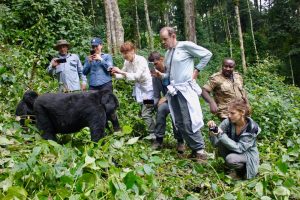
Today, Rwanda’s tourism philosophy centres on a low-impact, high-value model: fewer visitors, richer experiences, and greater contributions to conservation. Gorilla trekking permits, for example, are intentionally priced at a premium, with a direct share of that revenue channeled into protecting endangered species and supporting surrounding communities.
Eco lodges sit at the heart of this vision. Many are constructed from local materials, powered by renewable energy, and designed to integrate organically into their natural surroundings. They hire local staff, partner with nearby farmers, and invest in schools and healthcare programmes – making every guest stay a genuine act of community support.
What Makes an Eco Lodge Truly Sustainable?
Not every lodge that markets itself as “eco-friendly” fully lives up to that claim. In Rwanda, however, the benchmark is high. Genuine sustainable lodges in Rwanda operate on several non-negotiable principles:
- Environmental stewardship – minimising waste, harnessing solar power, and managing water use responsibly.
- Community investment – creating local employment, sourcing food from nearby producers, and funding development projects.
- Guest education – offering meaningful insight into conservation efforts and encouraging responsible travel behaviour.
- Authentic connection – ensuring guests leave with a deeper understanding of the land, its wildlife, and its people.
Staying at a true eco lodge in Rwanda isn’t just about comfort. It’s about contributing to a larger story.
Best Eco Lodges in Rwanda
Bisate Lodge – Reforestation Meets Ultra-Luxury
Bisate Lodge is widely regarded as one of the most iconic eco lodges in Africa. Perched near Volcanoes National Park on land that was once degraded farmland, the property is now central to an ambitious reforestation programme – thousands of indigenous trees have been planted on-site.
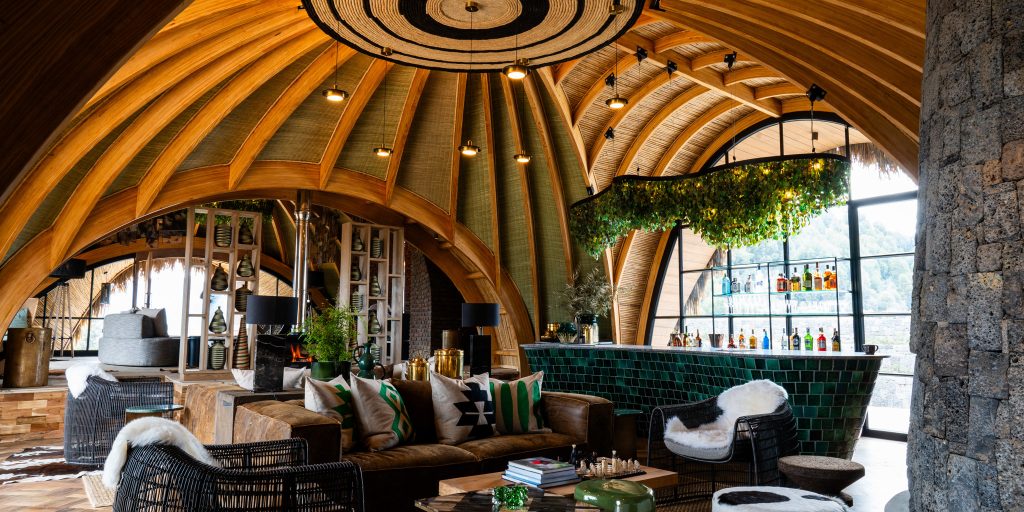
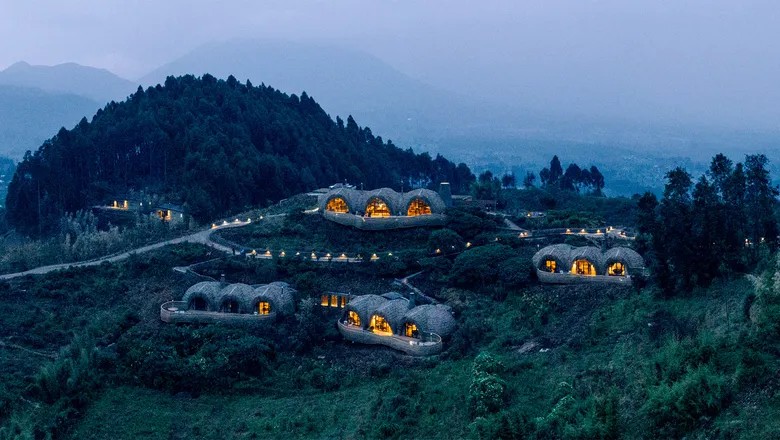
The lodge’s striking design draws on traditional Rwandan architecture, with forest pod villas commanding panoramic views of the surrounding volcanoes. Sustainability is embedded in every detail: solar energy powers the property, a near-zero-waste policy governs operations, and almost all materials and produce are sourced locally.
Guests are invited to take part in tree-planting activities, making their visit a direct contribution to habitat restoration for mountain gorillas. Combined with world-class service and expertly guided gorilla trekking experiences, Bisate is the definitive choice for travellers seeking luxury with environmental integrity.
One&Only Gorilla’s Nest – Treehouse Luxury in the Forest
Set within a eucalyptus forest close to Volcanoes National Park, One&Only Gorilla’s Nest offers a distinctly intimate form of eco luxury. Elevated treehouse-style villas sit immersed in the forest canopy, creating an experience that feels genuinely connected to nature.
The property sources materials locally and maintains an organic kitchen garden. Its sustainability ethos extends beyond the environment – the lodge actively funds nearby schools and health programmes, ensuring that responsible tourism in Rwanda translates into real community benefit.
Guests enjoy fine dining, spa treatments, and guided gorilla trekking, all framed by the knowledge that their stay supports a broader conservation mission.
Sabyinyo Silverback Lodge – Community-Owned Conservation
Sabyinyo Silverback Lodge stands as one of the most powerful examples of community-led tourism in Rwanda. Owned and operated by a local trust, all profits are reinvested directly into neighbouring villages – funding schools, health clinics, and clean water infrastructure.
The lodge itself offers warm, well-appointed cottages and easy access to gorilla trekking trails. For travellers who want their tourism spend to create measurable, lasting impact, Sabyinyo is one of the most ethically compelling choices in the country.
Virunga Lodge – A Classic Eco Retreat with Sweeping Views
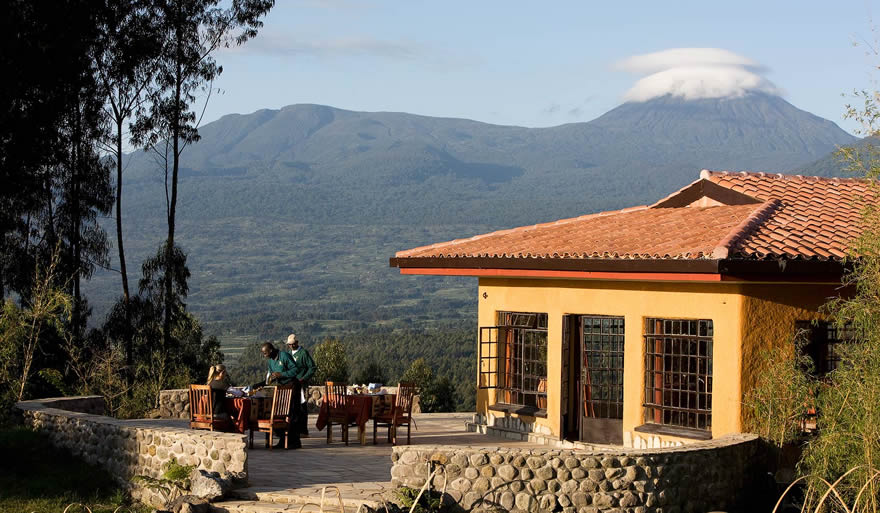
Virunga Lodge has long held its place as a favourite among eco-conscious travellers. Positioned on a dramatic ridge overlooking the Virunga volcanoes and twin lakes, the lodge offers some of Rwanda’s most spectacular scenery.
Its sustainability credentials are robust: solar power, biogas systems, and rainwater harvesting significantly reduce its environmental footprint. The lodge also supports women’s cooperatives and local infrastructure projects, deepening its community impact.
For travellers seeking serenity alongside genuine environmental commitment, Virunga Lodge remains a timeless choice.
One&Only Nyungwe House – Tea Plantation Serenity
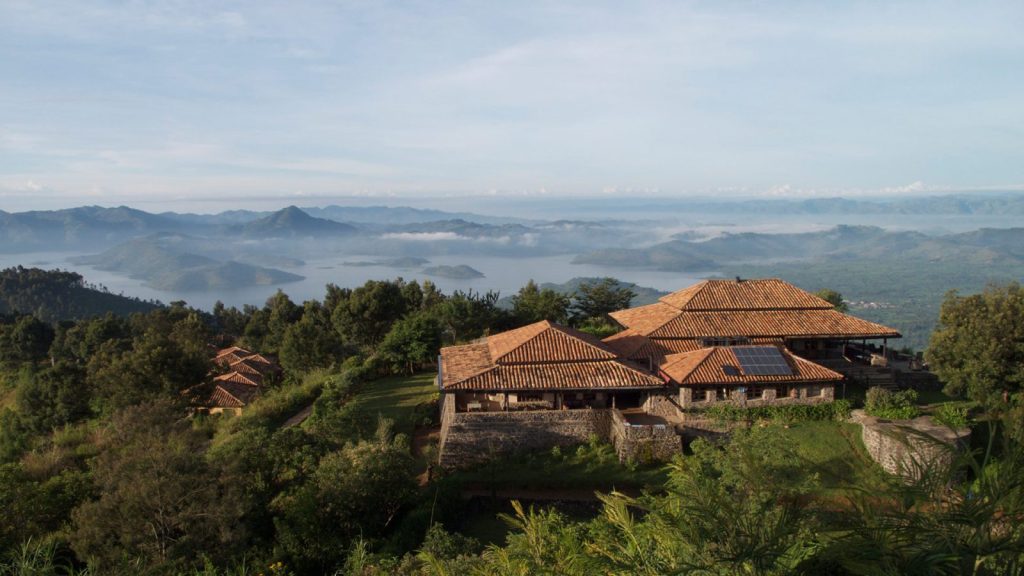
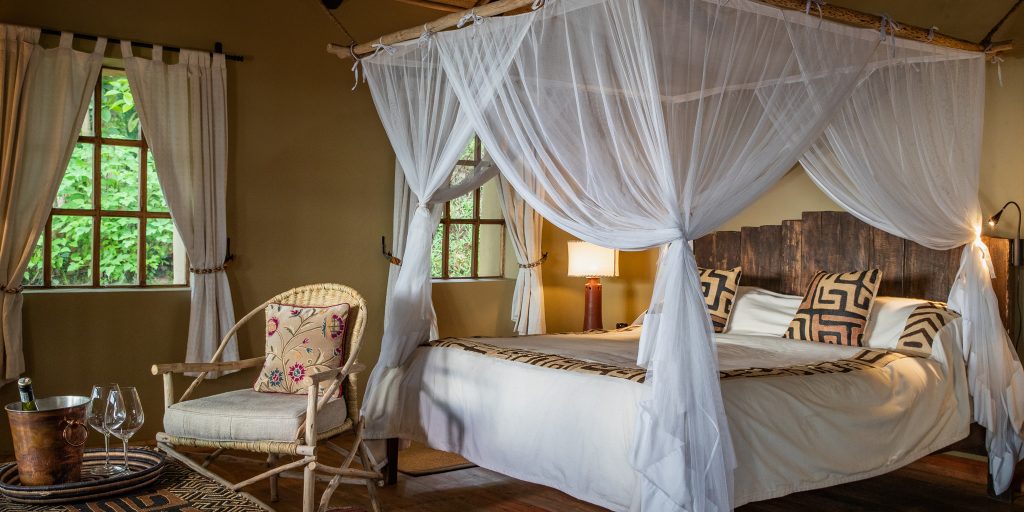
Located on a working tea plantation at the gateway to Nyungwe Forest National Park, One&Only Nyungwe House combines luxury with an extraordinary sense of place. Guests wake to rolling green hills and the fragrance of fresh tea leaves.
Locally sourced materials and an organic garden underpin the property’s sustainability model. Activities include chimpanzee tracking, canopy walks, and tea harvesting experiences – a rare trifecta of adventure, culture, and nature. The lodge also maintains close ties with local communities, providing employment and supporting education initiatives.
Nyungwe Top View Hill Hotel – Accessible Eco Travel
Nyungwe Top View Hill Hotel is proof that eco travel in Rwanda doesn’t have to carry an ultra-luxury price tag. Perched above the forest with panoramic views, this property offers straightforward, comfortable accommodation built on sound sustainable principles.
Natural ventilation reduces reliance on artificial cooling, the hotel employs staff exclusively from nearby villages, and local education programmes benefit from its support. For budget-conscious travellers who don’t want to compromise on authenticity, this is an excellent choice.
Magashi Camp – Conservation-Driven Safari
Situated within a private concession inside Akagera National Park, Magashi Camp is entirely solar-powered and plays an active role in wildlife conservation. The camp supports critically important efforts to protect black rhinos and African wild dogs – species that have been successfully reintroduced to the park in recent years.
Game drives, boat safaris on Lake Rwanyakazinga, and stunning big-sky sunsets make Magashi one of Rwanda’s premier safari experiences, with conservation purpose built into every element.
Ruzizi Tented Lodge – Simple, Immersive, Impactful
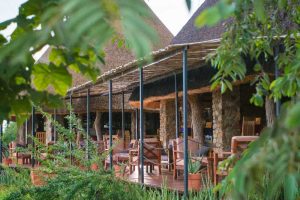
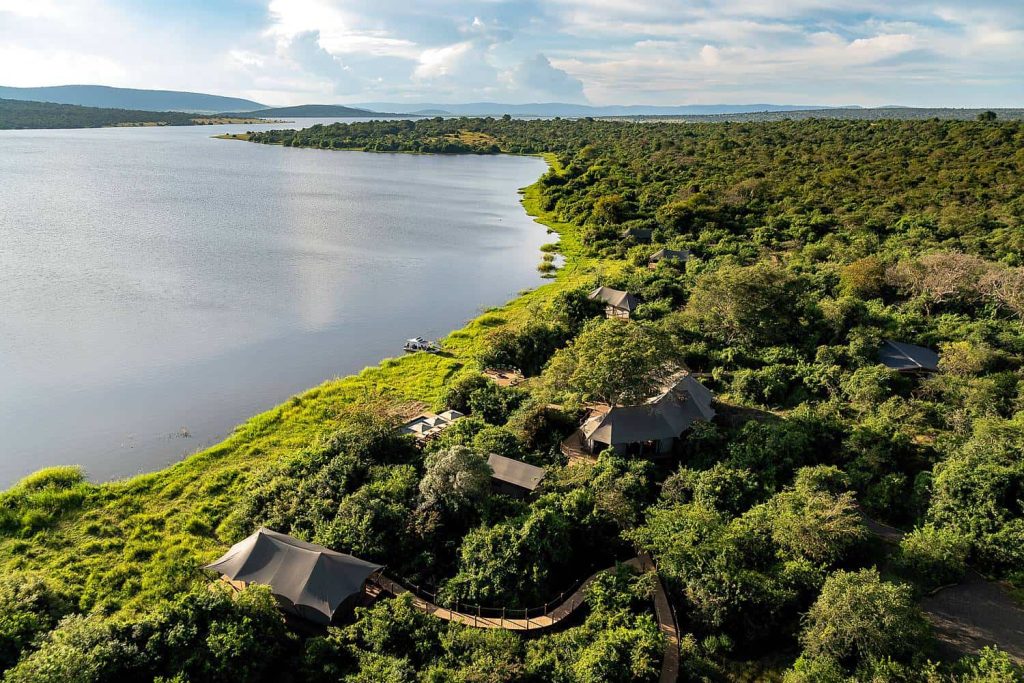
Ruzizi Tented Lodge is among the most accessible eco lodges in Rwanda. Operated by conservation partners, all revenue flows back into protecting the park. Built from renewable materials and powered by solar energy, the lodge blends seamlessly into its lakeside setting.
Canvas tents, the ambient sounds of wildlife, and the gentle rhythm of the lake create an experience that is quietly powerful – and entirely low-impact.
Amakoro Songa Lodge – Cultural Immersion and Community Impact
Amakoro Songa Lodge places cultural connection at the centre of the guest experience. Entirely staffed by local community members, the lodge channels support into education and environmental programmes. Guided village walks offer guests genuine insight into Rwandan traditions and daily life – making this far more than a place to rest.
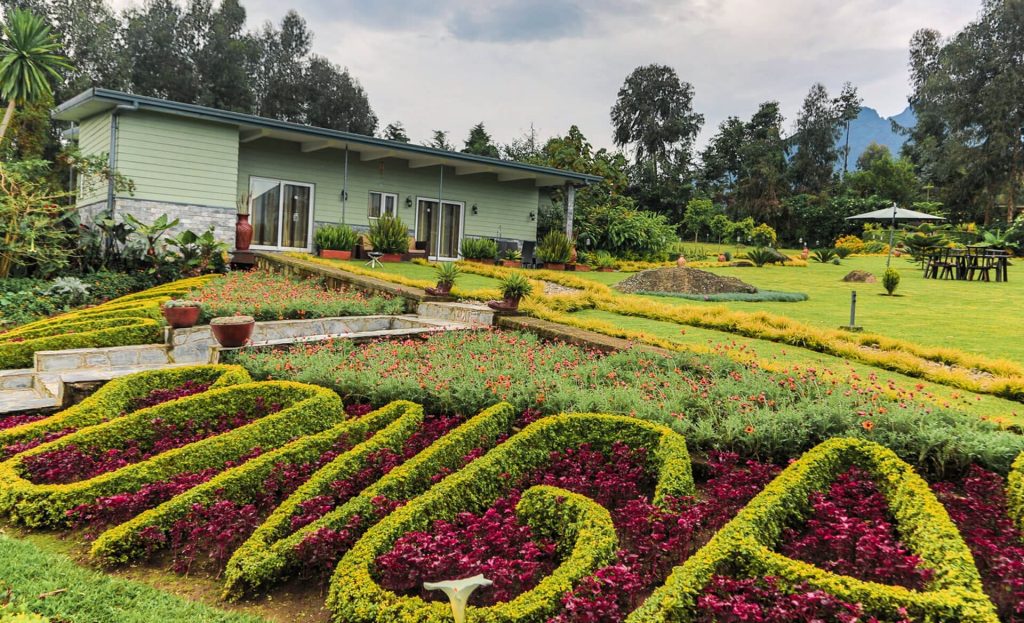

Forest of Hope Guest House – Community at the Core
Near Gishwati-Mukura National Park, Forest of Hope Guest House offers one of Rwanda’s most grassroots eco-tourism experiences. Community-run, it channels its proceeds into forest restoration and local education. Guided forest walks, cultural activities, and an atmosphere of genuine warmth make this a deeply enriching stay for travellers who prioritise impact over extravagance.
How Much Do Eco Lodges in Rwanda Cost?
Rwanda’s eco lodges span a wide price spectrum, reflecting the diversity of experiences on offer:
| Lodge | Estimated Price Per Person Per Night |
|---|---|
| Bisate Lodge | From ~$3,000 – $3500 |
| One&Only Gorilla’s Nest | From ~$3,000 – $3,500 |
| Sabyinyo Silverback Lodge | From ~$500 – $1,500 |
| Magashi Camp | From ~$1000 – $2000 |
| Ruzizi Tented Lodge | From ~$500 |
| Nyungwe Top View Hill Hotel | From ~$300 – $450 |
While these rates may appear steep, they reflect the true cost of conservation-driven tourism. A meaningful portion of every booking is reinvested into wildlife protection, habitat restoration, and community development.
Best Time to Visit Rwanda’s Eco Lodges
Rwanda’s dry seasons offer the most favourable conditions for trekking and wildlife viewing:
- June to September — peak dry season, ideal for gorilla and chimpanzee trekking
- Mid-December to early February — shorter dry season with excellent conditions
These are the most popular travel windows, so booking well in advance is essential – both for lodges and for gorilla trekking permits, which frequently sell out months ahead.
Travelling during shoulder seasons can deliver better value while still offering good visibility and manageable conditions.
Getting to Rwanda’s Eco Lodges
Most visitors arrive via Kigali International Airport (KGL). From Kigali, lodges typically arrange private transfers or guided road journeys:
- Volcanoes National Park — approximately 2.5 hours from Kigali
- Nyungwe Forest National Park — approximately 5-6 hours from Kigali
- Akagera National Park — approximately 2-3 hours from Kigali
The drives are scenic, winding through Rwanda’s famous rolling hills and countryside – a journey worth savouring in itself.
Activities at Eco Lodges in Rwanda
Rwanda’s eco lodges offer a range of activities that put guests in close contact with the country’s extraordinary natural and cultural heritage:
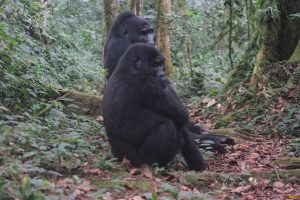
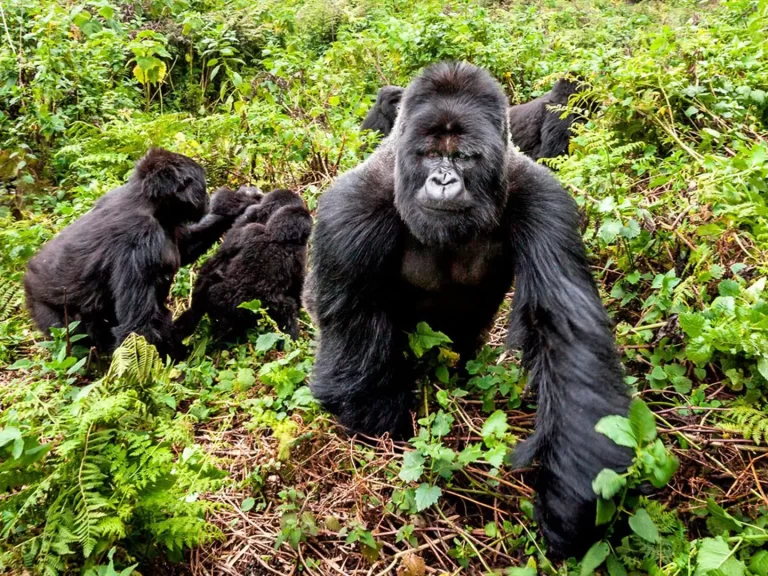
- Gorilla trekking (Volcanoes National Park) – a once-in-a-lifetime encounter with endangered mountain gorillas
- Chimpanzee tracking (Nyungwe Forest) – one of Africa’s best primate experiences
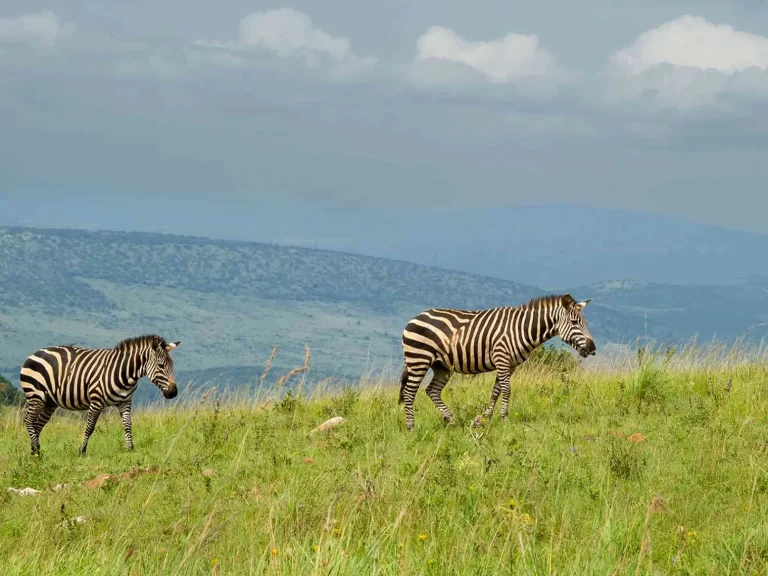
- Game drives and boat safaris (Akagera) – opportunities to see the Big Five and rare reintroduced species
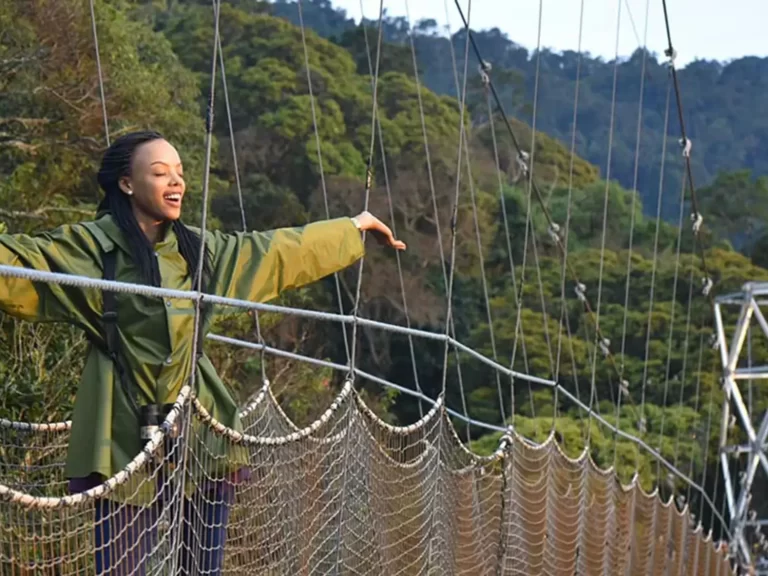
- Canopy walks (Nyungwe) – suspended walkways through ancient rainforest
- Village visits and cultural experiences – connecting guests with local communities and traditions
- Tea harvesting (Nyungwe House) – a uniquely Rwandan hands-on experience
What to Pack for an Eco Lodge Stay in Rwanda
Packing thoughtfully will significantly enhance your experience:
- Clothing — lightweight layers for warm days; fleece or a light jacket for cool highland evenings
- Footwear — sturdy, waterproof hiking boots for trekking; comfortable sandals for lodge time
- Trekking essentials — long waterproof trousers, garden gloves, and thick socks (essential for gorilla trekking)
- Eco-friendly items — reusable water bottle, biodegradable toiletries, reef-safe sunscreen
- Accessories — quality camera, binoculars, and insect repellent
The Sustainability and Community Impact of Rwanda’s Eco Lodges
The true measure of Rwanda’s eco lodges lies not in their aesthetics or amenities, but in their impact. These properties are active partners in conservation and community development, contributing to reforestation programmes, anti-poaching efforts, wildlife reintroduction initiatives, and grassroots education funds.
This model demonstrates that sustainable tourism in Africa can be genuinely transformative, not just a marketing label, but a measurable force for good.
Rwanda’s Eco Lodges – Travel With Purpose
Eco lodges in Rwanda offer something increasingly rare in modern travel: a stay that carries genuine meaning. Whether you’re trekking through volcanic forests to observe mountain gorillas, paddling across Lake Kivu at dusk, or simply sitting with a cup of locally grown tea as mist rolls across the hills, every moment is woven into a larger story of conservation, community, and hope.
For travellers who want their journeys to leave the world a little better than they found it, Rwanda is not just a destination. It is a destination with a purpose.