Rwanda culture is widely recognized for its mountain gorillas and stunning national parks, particularly Volcanoes National Park. However, this small East African nation holds much more than just wildlife safaris. It is a land rich in deep Rwandan traditions, robust community values, and a vibrant cultural identity that continuously evolves.
Cultural experiences in Rwanda encompass people, stories, music, food, history, and everyday life. It invites an exploration of how the past informs the present and how traditions are preserved amidst modern influences. Traveling through Rwanda means engaging with a living culture that embraces visitors with warmth and pride.
This article goes beyond gorillas and safaris to delve into Rwanda’s cultural heritage, experiences, and the meaningful connections travelers can forge along the way. Whether you are interested in gorilla trekking in Rwanda or exploring the local music and dance, this journey will uncover the gems that represent Rwanda tourism today.
A Land of Deep Cultural Roots
Often termed the “Land of a Thousand Hills,” Rwanda is nestled in the heart of East Africa, bordered by Uganda, Tanzania, Burundi, and the Democratic Republic of the Congo. Despite its modest size, Rwanda boasts a cohesive cultural identity, enriched by its traditional villages and community-centered lifestyle.
The Rwandan populace communicates primarily in Kinyarwanda and shares a common cultural heritage. This unity significantly shapes daily life, as Rwandan traditions are passed down generations through storytelling, music, farming practices, and craftsmanship.In recent years, Rwanda has gained recognition for its rapid development, cleanliness, and a commitment to community values while offering numerous things to do in Rwanda. Yet even amid modernization, culture remains central to life.
Life in Traditional Villages
One of the most meaningful ways to experience Rwanda is by visiting a traditional village. These villages give you a clear picture of how people live, work, and interact in their daily lives.In rural areas, life is simple but deeply connected to nature and community. Families often live in small homes made from local materials such as mud, wood, and grass. Farming is the main activity, with crops like bananas, cassava, beans, and sweet potatoes forming the backbone of daily meals.
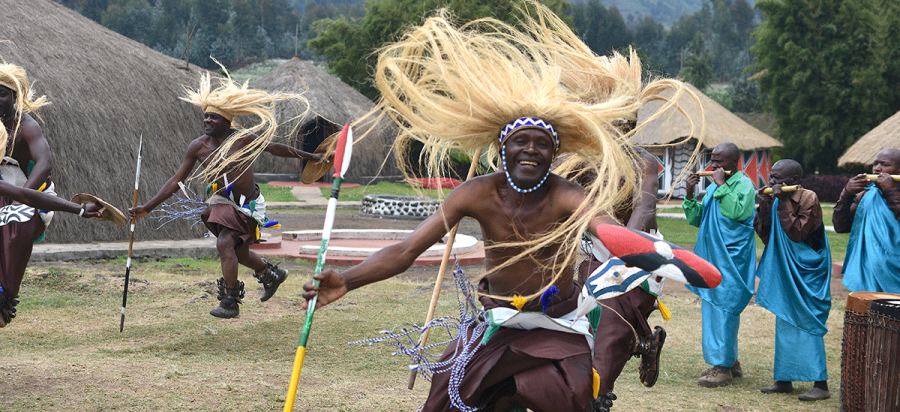
Visitors are often welcomed warmly, sometimes with music and dancing. You may sit with elders who share stories about the past, or join families as they prepare food. These moments are not staged; they are real experiences that help you understand the rhythm of life in Rwanda.
Walking through these villages, you see children playing, women weaving baskets, and men working in the fields. It is a peaceful and honest way of life that leaves a strong impression.
The Energy of Music and Dance
Music and dance are central to Rwandan culture. They are used to celebrate, to tell stories, and to bring people together.Traditional performances are full of energy and meaning. The drums beat loudly, dancers move with grace, and singers tell stories through song. One of the most famous dances is the Intore dance, often performed by men wearing grass wigs and carrying spears. This dance represents strength, courage, and the history of warriors.
Women also perform elegant dances, often moving in smooth, flowing motions that reflect beauty and harmony. Music is not just entertainment; it is a way of preserving history and passing on traditions.When you watch a performance, you do not just see a show; you feel the spirit of Rwanda.
Gorilla Trekking with a Cultural Touch
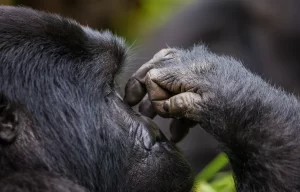
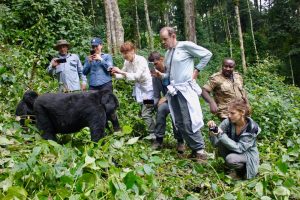
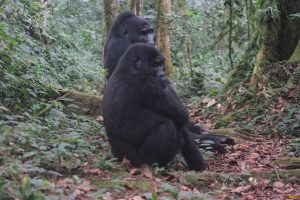
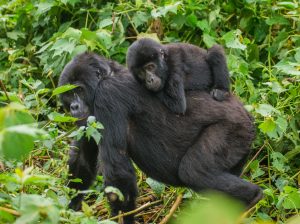
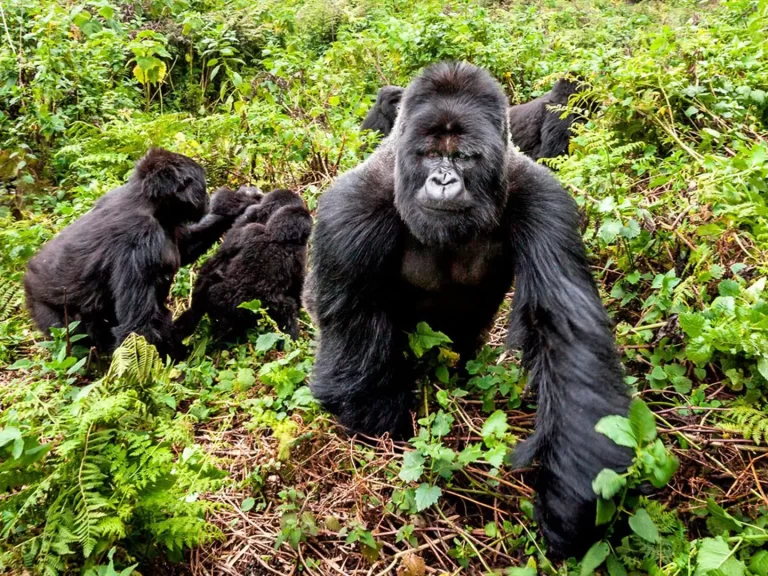
While gorilla trekking remains one of Rwanda’s top attractions, it can also be part of a deeper cultural experience. Trekking in Volcanoes National Park brings you face-to-face with mountain gorillas in their natural habitat, an experience that is both thrilling and humbling.
But beyond the trek itself, the surrounding communities add a cultural dimension. Many former poachers have become conservationists and cultural guides. They now share their knowledge and traditions with visitors, showing how conservation and culture can work together.
This connection between wildlife and people is an important part of Rwanda’s story. It shows how the country has transformed challenges into opportunities for growth and unity.
The King’s Palace in Nyanza
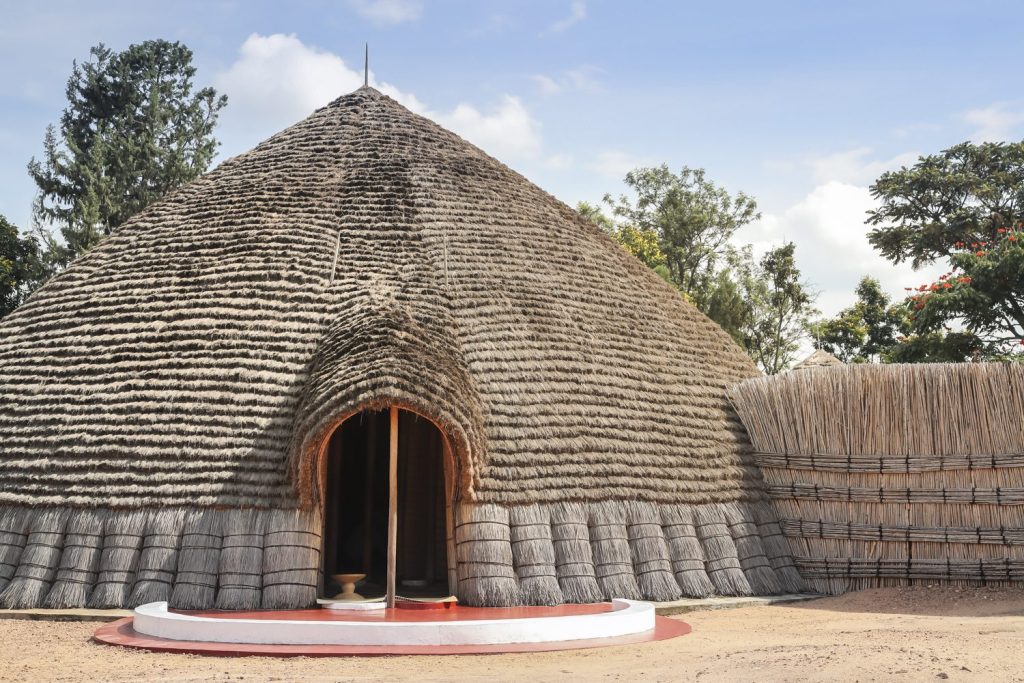
To understand Rwanda’s royal past, a visit to the King’s Palace Museum is essential. Located in the historic town of Nyanza, this site offers a glimpse into the life of Rwanda’s former monarchy.
The traditional palace is built in a unique beehive shape using natural materials. Inside, you can see how the king lived, including sleeping areas and ceremonial spaces. The design reflects both practicality and beauty.
One of the highlights of the palace is the presence of Inyambo cattle. These long-horned cows are not ordinary animals, they are symbols of royal pride and prestige. In the past, they were trained and even “sang” to their keepers through special sounds.Today, these cattle are still cared for and displayed, preserving an important part of Rwanda’s heritage. Visiting the palace feels like stepping back in time, offering a deeper understanding of the country’s traditions.
Gorilla Guardians Village Experience
Near Musanze, you will find the Gorilla Guardians Village, formerly known as Iby’iwacu Cultural Centre. This is one of the best places to experience Rwandan culture in an interactive way.
As you enter the village, you are greeted with drumming and dancing. The energy is welcoming and lively. But the real experience comes from participating in daily activities.You can visit traditional homes, learn about herbal medicine, and hear stories from community elders. You may also take part in cooking local dishes or grinding millet using traditional tools.Walking through banana plantations and small farms gives you a closer look at rural life. The experience is not just about watching, it is about doing and learning.
The village also plays an important role in conservation. Many of the people working there are former poachers who now use cultural tourism as a source of income. This shift has helped protect wildlife while supporting local communities.
The Art of Basket Weaving
Rwanda is famous for its beautiful handwoven baskets, known locally as “Agaseke.” These baskets are not just decorative, they carry deep cultural meaning.Traditionally, baskets were used to store food and gifts, and they were often given during important ceremonies such as weddings. Today, they are also sold as souvenirs, providing income for local artisans.The process of making a basket is detailed and time-consuming. It involves weaving natural fibers into intricate patterns, often in bright colors. Each design tells a story or represents a cultural symbol.Visiting a weaving cooperative allows you to see this process firsthand. You can even try weaving yourself, guided by skilled artisans. It is a simple but powerful way to connect with Rwanda’s artistic traditions.
Learning Traditional Construction
Another unique cultural experience in Rwanda is learning traditional construction techniques. In rural areas, homes and structures are built using local materials like clay, wood, and banana fibers.Visitors can join local families to learn how bricks are made and how ropes are created from banana trees. These methods have been used for generations and are both practical and sustainable.Participating in building a small structure, such as a fence or shelter, gives you a hands-on understanding of village life. It also shows the importance of teamwork, as construction is often a community effort.Sharing a meal with the family after the work is done adds a personal touch to the experience. It is a reminder that culture is not just something you see, it is something you live.
Rwanda’s Genocide Memorials
No cultural journey in Rwanda is complete without understanding its history. The Kigali Genocide Memorial is one of the most important sites in the country.It commemorates the victims of the Rwandan Genocide, a tragic event that deeply affected the nation. The memorial provides detailed information about what happened, as well as stories of survival and resilience.Visiting the memorial is an emotional experience, but it is also educational. It helps visitors understand how Rwanda has rebuilt itself and moved forward with a focus on unity and reconciliation.Other memorial sites across the country also tell similar stories, each contributing to a broader understanding of Rwanda’s past and its journey toward healing.
Discovering the Ethnographic Museum
In the southern town of Huye, the Ethnographic Museum offers one of the best collections of cultural artifacts in Africa.The museum showcases traditional tools, clothing, and artwork, giving visitors insight into how people lived in the past. It also explains social structures, beliefs, and customs.One of the most interesting sections focuses on the role of cattle in Rwandan society. Cattle were not just a source of food; they were symbols of wealth, status, and identity.The museum is well organized and easy to understand, making it a great place to learn about Rwanda’s cultural history in a simple and clear way.
A Day with a Local Artisan
For a more personal experience, spending a day with a local artisan offers a deeper connection to Rwandan life. Organizations like Azizi Life provide opportunities to visit rural communities and learn directly from local families.You might start your day working in the fields, planting or harvesting crops. Later, you can join a weaving session, learning how to create baskets or other crafts.Meals are shared with the family, giving you a taste of traditional Rwandan food. Conversations often go beyond daily life, touching on hopes, challenges, and dreams.These experiences are simple but meaningful. They show the human side of Rwanda and create memories that last far beyond the trip.
Food and Everyday Culture
Rwandan food is simple, fresh, and satisfying. Meals often include staples like beans, cassava, maize, sweet potatoes, and plantains. Meat is less common in rural areas but is enjoyed during special occasions.One popular dish is “Isombe,” made from cassava leaves, often served with rice or plantains. Another is “Ugali,” a thick maize porridge eaten with vegetables or meat.Sharing food is an important part of culture. Meals are often eaten together, reflecting the strong sense of community.In cities like Kigali, modern restaurants are blending traditional dishes with international flavors, showing how culture continues to evolve
Rwanda’s Cultural Festivals and Events
One of the best ways to experience Rwandan culture is through its festivals. These events bring people together and celebrate identity, unity, and tradition.
Kwita Izina – The Gorilla Naming Ceremony
The most famous cultural event in Rwanda is Kwita Izina. This annual ceremony takes place near Volcanoes National Park and celebrates the naming of newborn mountain gorillas.Inspired by a traditional Rwandan baby-naming ceremony, Kwita Izina was officially launched in 2005 to promote conservation and community involvement.
Every year, thousands of people, including locals, conservationists, and international visitors, gather to witness the event. It includes cultural dances, music, speeches, and discussions on conservation. The ceremony is not just about naming gorillas. It symbolizes Rwanda’s success in protecting wildlife and highlights the strong link between culture and conservation.
KigaliUp Music Festival
Another major cultural event is the KigaliUp, held in Kigali. This festival brings together artists from Rwanda and around the world.Since its launch in 2011, KigaliUp has become one of the country’s leading music festivals, featuring genres like reggae, hip-hop, jazz, and Afrobeat. It reflects Rwanda’s modern cultural scene while still celebrating African roots.
Kwibuka – A Time of Remembrance
Rwanda also holds an important annual commemoration known as Kwibuka. This event honors the victims of the Rwandan Genocide.Kwibuka takes place every April and includes memorial walks, discussions, and community gatherings. It is a time for reflection, unity, and healing.While it is a solemn event, it is also a powerful expression of Rwanda’s resilience and commitment to peace.
Umuganura – The Harvest Celebration
Umuganura is a traditional harvest festival that celebrates agriculture and community.Historically, it was a royal ceremony where people offered their harvest to the king. Today, it continues as a national celebration that highlights food, farming, and cultural pride.The festival includes traditional meals, music, and storytelling, bringing communities together in celebration.
Other Cultural and Creative Events
Rwanda’s cultural calendar continues to grow. Events like fashion shows, art exhibitions, and film festivals are becoming more popular, especially in Kigali.
These events show how Rwanda is blending tradition with modern creativity, giving young artists a platform to express themselves.
Cultural Rwanda goes far beyond gorillas and safaris. It is found in the smiles of villagers, the rhythm of drums, the stories of elders, and the hands of artisans.
From the royal history in Nyanza to the living traditions in villages, from emotional memorials to vibrant performances, Rwanda offers a deep and meaningful travel experience.
When you explore Rwanda’s culture, you do more than visit; you connect. You learn, you share, and you carry a piece of Rwanda with you.
In the end, Rwanda is not just a destination. It is a story, one that continues to grow, shaped by its people, its past, and its hope for the future.