While the world knows Uganda for its majestic mountain gorillas and the source of the Nile, the country’s true soul is found in its kitchens. This Uganda safari food guide explores authentic Ugandan dishes every traveler should try, making your journey through the Pearl of Africa cuisine unforgettable.
For the traveler on safari, food is far more than sustenance, it is an invitation to understand the history, warmth, and daily rhythms of the ‘Pearl of Africa.’ In this guide, we introduce you to Uganda’s must-try dishes, the best dining experiences on safari, and where to find authentic local food during your adventure with Uzuri Uganda Safaris.
Uganda’s Essential Staples
Ugandan cuisine is a colourful mosaic of regional flavors and cultural influences, offering something for every palate. At the heart of it all are three iconic staples: matoke (green bananas), posho (maize-based), and kalo (millet-based). You will encounter at least one of these at every Ugandan meal.
Matoke – Ugandan food
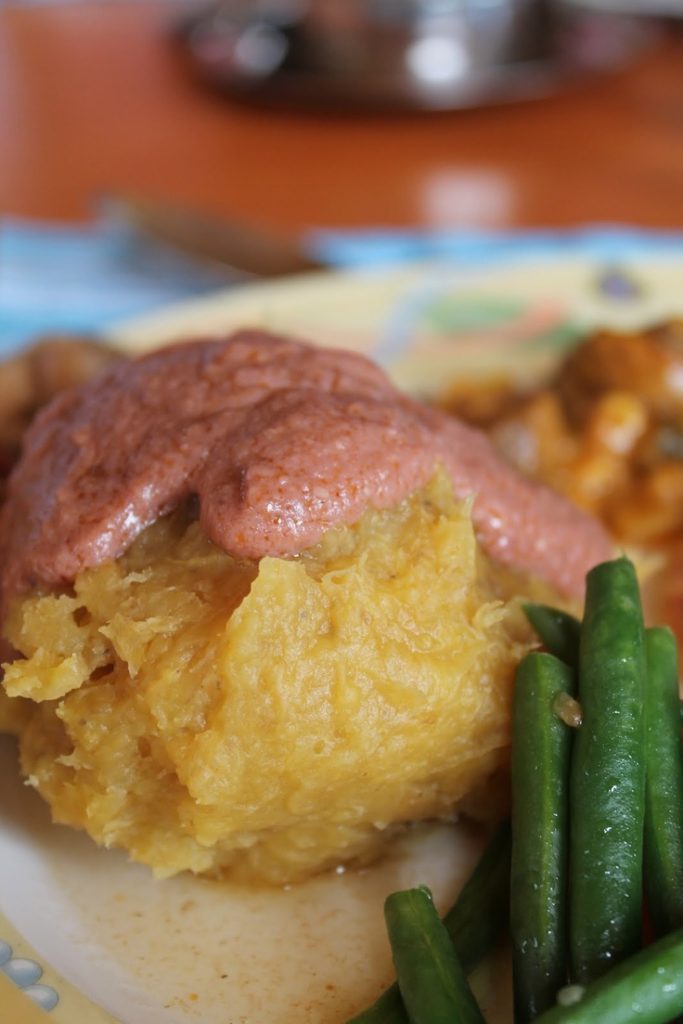
You cannot say you have truly been to Uganda without eating matoke. These highland green bananas are peeled, wrapped in banana leaves, and steamed for hours until soft and golden. They are typically mashed and served with a rich sauce – the ultimate Ugandan comfort food and the undisputed national dish.
Kalo (Millet Bread)
In the Northern and Western regions, kalo is the king of staples. It is a thick, dark dough made from a blend of millet and cassava flour, with a slightly nutty, earthy flavor. Traditionally served in a communal basket, it is best enjoyed alongside with a lot of stews from groundnut-pasted fish, beef with beans as a side sauce.
Posho (Cornmeal Cake)
Similar to kalo but milder in flavor, posho is a dense white cornmeal cake. It is the perfect ‘filler’ for a safari lunch, providing long-lasting energy for game drives in Murchison Falls or Queen Elizabeth National Park.
The Iconic Dishes
Luwombo Stew
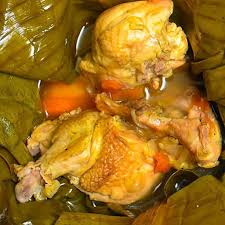
Originating from the Buganda Kingdom in 1887, Luwombo is a stew fit for royalty – served alongside any of the above staples. Meat (beef, chicken, or goat), fish, or groundnuts are seasoned and wrapped inside a warmed banana leaf, then steamed to perfection. The leaf seals in all the juices and aromatics, producing a tender, fragrant masterpiece. Chicken Luwombo and Beef Luwombo with pasted groundnuts are must-try safari experiences.
Katogo breakfast
If you see katogo on a breakfast menu, order it. Directly translated, the word means ‘a mixture of things,’ and that is exactly what it is: a hearty one-pot dish featuring matoke or cassava cooked with beef, beans, or offal (tripe). Served with fresh salad or sliced avocado, it is a rich, savory start to the day that will carry you comfortably through any morning activity you have lined up.
Groundnut Sauce
Ugandan peanuts are red-skinned and exceptionally flavorful. Ground into a thick, creamy, purple-tinged sauce, they are the definitive taste of a Ugandan home. Whether served plain over matoke or paired with smoked fish, a combination simply known as ‘G-nuts with Fish’, this sauce appears on nearly every table in the country.
Street Food
Ugandan Rolex street food
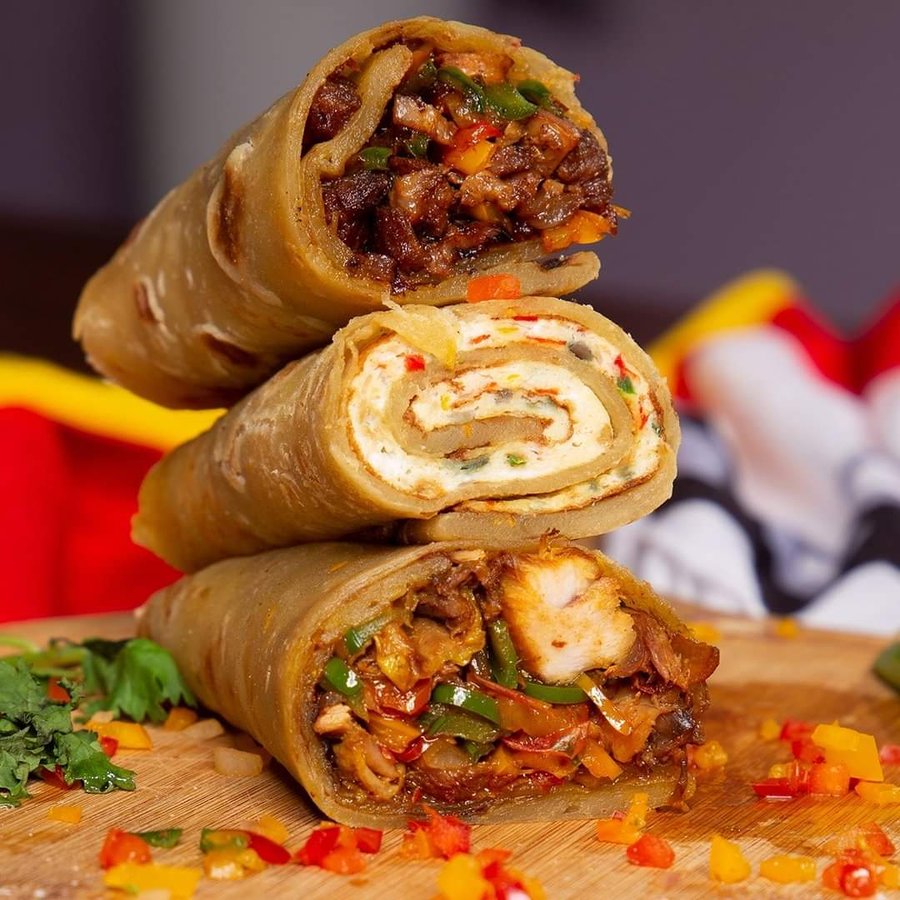
CNN once named the Ugandan Rolex street food the fastest-growing street food in the world and once you try one, you will understand why. The name is a playful contraction of ‘Rolled Eggs.’ A fresh chapatti (flatbread) is topped with a vegetable omellette and rolled into a warm wrap. Cheap, delicious, and available on almost every street corner in Kampala and across Uganda, the Rolex is the perfect on-the-go safari snack. If you happen to be in eastern Uganda, they make the best rolex so don’t miss to try it.
TV Chicken Kampala
Found mostly in Kampala’s bustling nightlife areas, TV chicken is rotisserie chicken roasted in a glass-fronted box that resembles an old-fashioned television set. It is served with ‘chips’ (fries) and a fresh tomato-and-onion salad known as kachumbari.
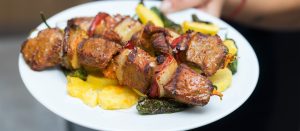
Muchomo Skewers
The word muchomo derives from the Swahili for ‘to burn.’ These skewers of roasted goat, beef, or pork are found at roadside markets across the country. On long drives between national parks, your driver will likely pull over at a ‘Muchomo point’ where vendors sell skewers alongside roasted plantains (gonja) – a quintessential Ugandan road-trip experience.
Fruits & Drinks
Known as the fruit basket of East Africa, Ugandan tropical fruits like pineapples, jackfruit, mangoes and more add sweetness to every safari trip. Expect to encounter a colorful array of fruits at lodges, markets, and roadside stalls throughout your safari.
Jackfruit
A massive, spiky fruit with sweet yellow pods that taste like a blend of pineapple, banana, and bubblegum. It is one of Uganda’s most distinctive tropical offerings.
Pineapple
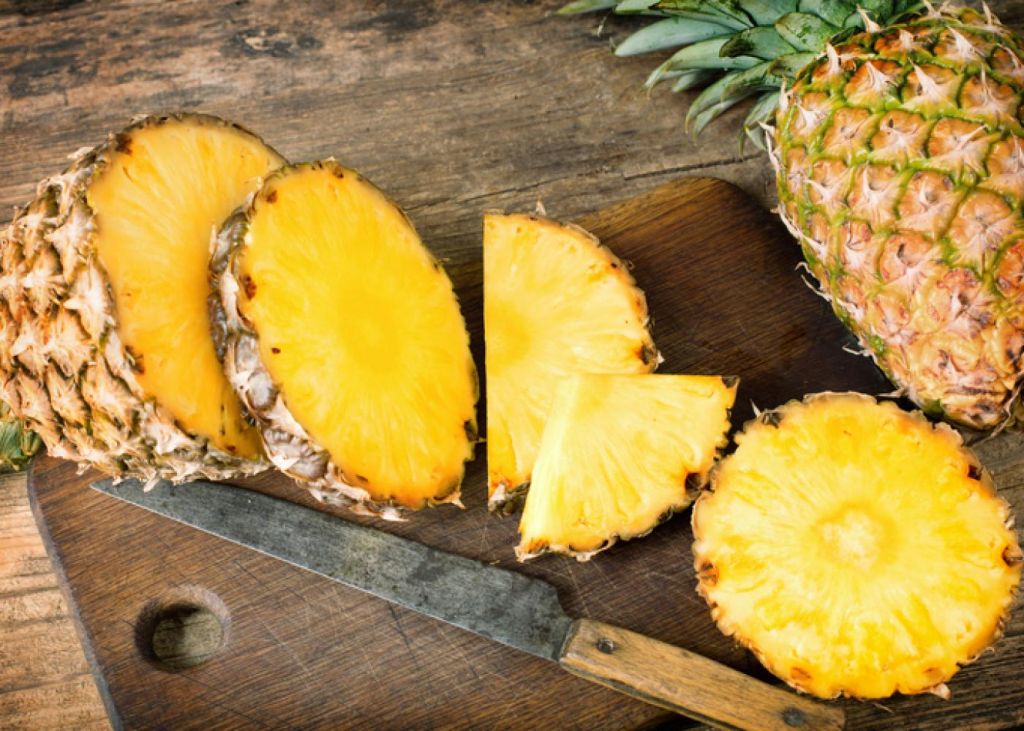
Widely considered among the sweetest in the world. Ugandan pineapples are so tender and ripe that you can eat almost to the core, a far cry from the sharp, fibrous varieties found elsewhere. You will enjoy Ugandan pineapple either on a fruit platter as desert at your lodge or you can stop at a market stall and buy some that you can enjoy during your trip.
Watermelon
A staple on grocery stalls and lodge fruit platters across Uganda. Crisp, deep red, and wonderfully refreshing on a hot afternoon after a morning game drive.
Passion Fruit
The purple varieties found in Uganda are intensely fragrant and used to make the finest fresh juice you are likely to taste anywhere. Order it at every opportunity.
Yellow Bananas
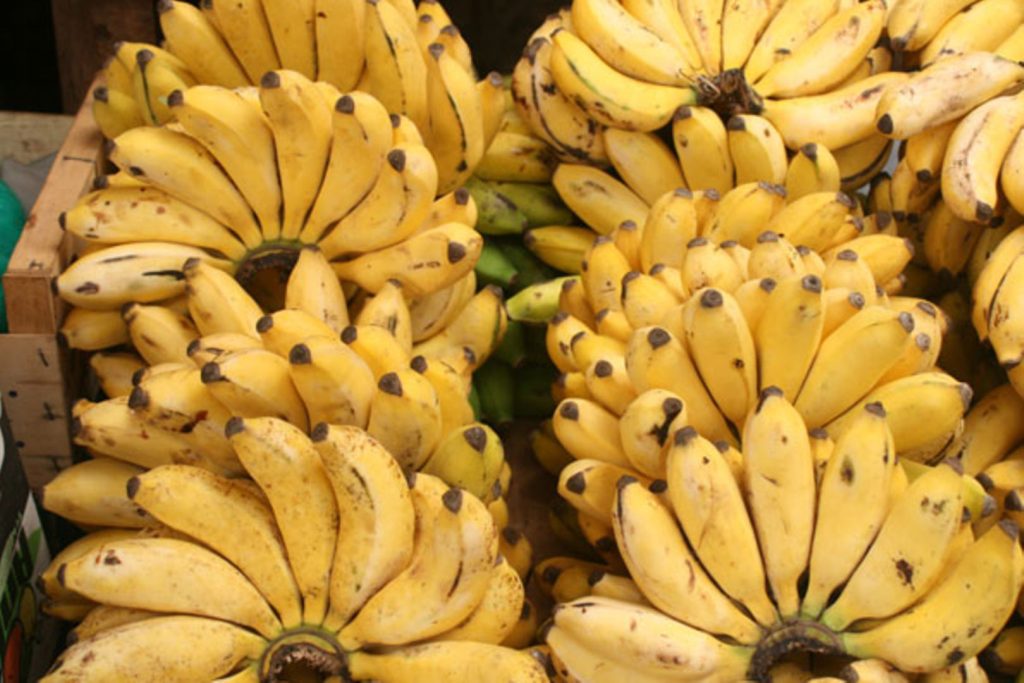
Uganda is among the world’s top 10 banana-producing countries, yielding approximately 4.5 million tonnes per year. Yellow bananas – cousins of the green matoke, vary in size and sweetness and are found in abundance across the Central, Southern, and Southwestern regions. A whole bunch can be purchased for as little as $1 at any local market.
Mangoes
Uganda’s mango season (November through February) is a highlight for fruit lovers. The local varieties are fleshy, fragrant, and far sweeter than most imported mangoes. Look for them piled high at roadside stalls and local markets. Vendors will often peel and slice them for you on the spot.
Papaya (Pawpaw)
Papaya grows year-round across Uganda and like pineapple and watermelon, is a breakfast staple at most safari lodges. The local varieties are smaller and more intensely flavored than those found in supermarkets abroad, with a deep orange flesh and honey-like sweetness. A squeeze of fresh lime juice over sliced papaya is a simple Ugandan classic.
Uganda Waragi gin
Often affectionately called ‘UG,’ Uganda Waragi is a world-class gin. While it began as a traditional banana spirit, the modern triple-distilled bottled version carries a clean, crisp flavor with hints of lime. It is the sundowner of choice after a long day on safari so order it with tonic and a wedge of fresh passion fruit.
Ugandan Coffee
Uganda is one of the world’s leading exporters of Robusta coffee and produces excellent Arabica from the slopes of Mount Elgon and the Rwenzori Mountains. Whichever you prefer, pair it with a cup of ‘spiced tea’ (black tea boiled with fresh ginger, cinnamon, and lemon grass) to experience the classic way to end any Ugandan meal.
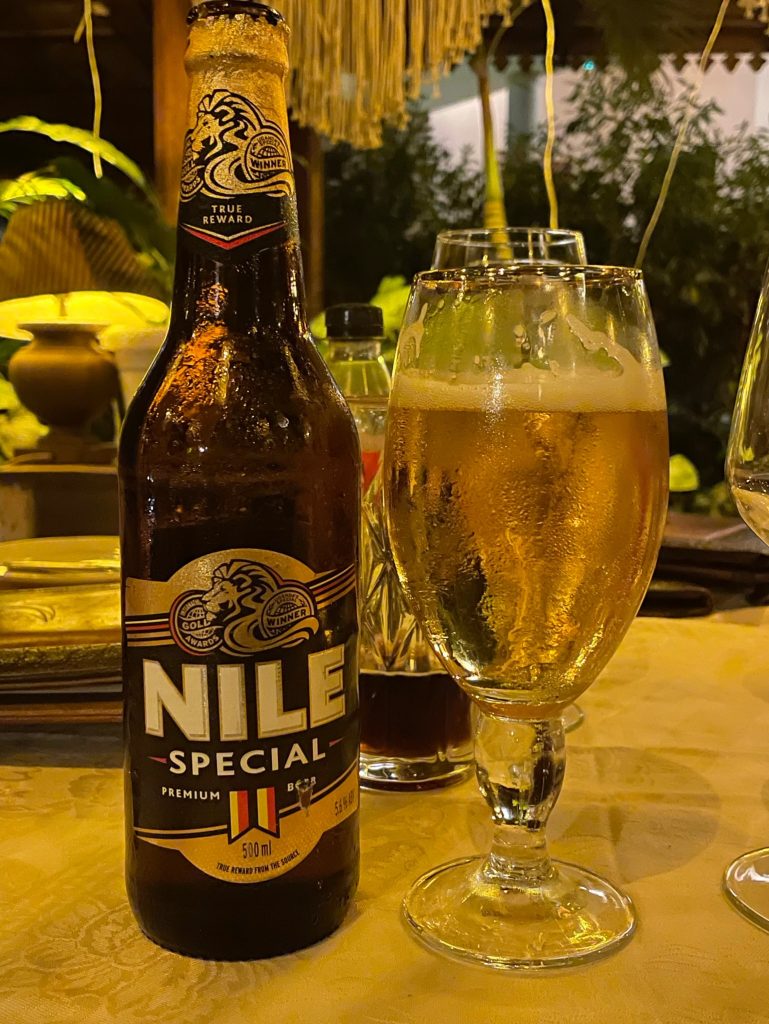
Nile Special beer
Brewed in Jinja – the town that sits at the source of the Nile River, Nile Special beer is Uganda’s most beloved lager. Light, crisp, and cold, it is the perfect companion for a post-safari evening meal. The label features the Nile’s famous source, making it a memento in a glass. Other popular local options include Pilsner Lager and Bell Lager.
Bushera / Obushera
This traditional fermented beverage is made from sorghum or millet and has been enjoyed by Ugandans for centuries. It can be served sweet (fresh) or sour (fermented) and tastes pleasantly malty and cooling. It has been bottled in cans and you can look for it at supermarket stalls as it is an excellent non-alcoholic option on long drives between attractions on your Uganda itinerary.
Where to Eat on Your Ugandan Safari
1. Street Food Stalls
Uganda’s towns and transit points offer a vibrant street food culture full of surprise and flavor. Along roads across the country you will find grilled maize cobs, freshly rolled Rolex wraps, TV chicken, gonja (roasted plantain), and beef or chicken muchomo. Do not be shy as buying food through the window of your safari vehicle at a roadside stop is one of the most authentic Ugandan travel moments you can have.
2. Local Restaurants and ‘Hotels’
In Uganda, small local restaurants are commonly called ‘hotels,’ even when they serve no accommodation. These friendly, no-frills eateries offer hearty, home-style meals at very affordable prices with a lot of food diversity as you will discover should you try them out. Ask your driver/guide to find time and take you to ‘hotels’ that we recommend. Eating at a local hotel is one of the best ways to connect with everyday Ugandan life.
3. Fine Dining in Cities and at Safari Lodges
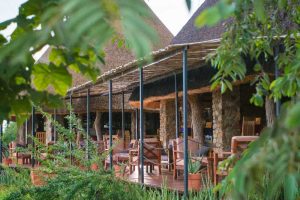
For those seeking a more elevated experience, Kampala and select safari lodges offer fine dining where Ugandan ingredients meet gourmet technique. Think pilau-spiced risotto with braised goat, or luwombo reimagined as a tasting course. These experiences are perfect for a romantic honeymoon safari dinner after a day of wildlife encounters.
Ugandan Dining Etiquette
Understanding a few local customs will enrich your dining experiences and show respect for Ugandan culture.
Eating with Your Hands
Many traditional Ugandan meals particularly those involving matoke, posho, or kalo — are eaten with your hand. Most restaurants serving local food will provide a bowl and a jug of warm water for you to wash your hands at the table before the meal. Follow the lead of your hosts.
Communal Eating
Food in Uganda is deeply communal. Dishes are often placed at the center of the table and shared. Do not be surprised if you are invited to eat from a shared large platter, it is a gesture of hospitality and warmth, not informality.
Accepting Food and Drink
It is considered polite to accept food or drink when offered by a host, even if you just take a small amount. Refusing outright can be seen as impolite. If you have dietary restrictions, a gentle explanation is always well-received.
The Heat Factor
Unlike some other African cuisines, Ugandan food is rarely fiery-hot. Dishes are typically mild and aromatic rather than spicy. If you want heat, ask for pili pili (fresh chilies) on the side as most restaurants are happy to oblige.
Pro Tips for the Foodie Safari-Goer
Stay hydrated with bottled or filtered water. While the food is generally safe when well-cooked, tap water is best avoided throughout your trip.
Be adventurous, but sensible. Embrace local food at reputable stalls and restaurants. Opt for well-cooked meat and freshly prepared dishes.
Ask your safari guide for recommendations. Drivers and guides know the best local spots – the places that never appear in any guidebook.
Visit a local market. Kitoro Market in Entebbe or the markets in Kampala, Mbarara or Fort Portal offer an unforgettable window into Ugandan food culture, colors, and community.
Try something new every day. Uganda’s regional diversity means the food changes as you travel. What you eat in Kampala will differ from what is served near Bwindi or Murchison Falls.
Tasting Ugandan food is more than a meal, it is a journey through history, culture, and everyday life.
From bush breakfasts under acacia trees to late-night street snacks in Entebbe and Kampala, each dish adds something unforgettable to your safari adventure.
Book your safari with Uzuri Uganda Safaris today and discover a world of flavor on the wild side of Africa.