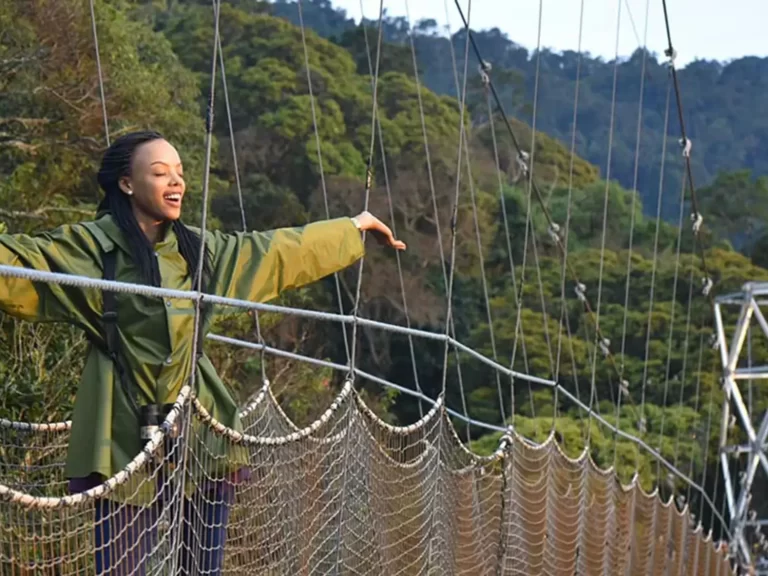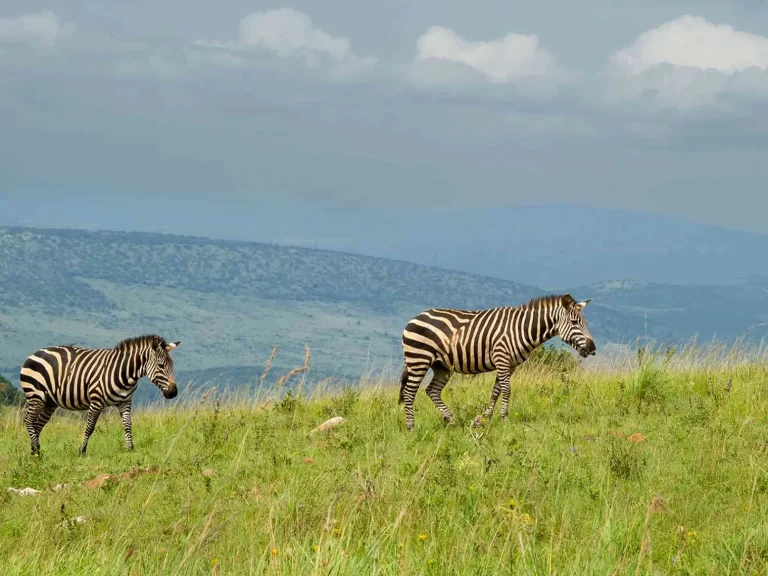
When travelers think of Rwanda, they picture the misty peaks of Volcanoes National Park or the rolling hills of the Land of a Thousand Hills. But for those seeking a truly immersive Rwanda safari, the plate is just as important as the landscape.
Rwandan cuisine is a celebration of the earth. Traditional Rwandan food is simple, hearty, and deeply connected to the volcanic soil from where it grows. What to eat in Rwanda is a question worth asking seriously because Rwandan cuisine speaks in quieter, more grounded flavors: slow-cooked beans, tender stews, smoky brochettes, and the finest coffee you are likely to taste anywhere in the world. Here is your complete Rwanda travel guide to the flavors you simply cannot miss while exploring Rwanda in 2026.
Rwanda’s Staples
Every great cuisine is built on a foundation, and Rwanda’s is no exception. Three staples anchor virtually every Rwandan meal, providing the fuel for long days of trekking, game drives, and cultural exploration.
Ibitoke (Green bananas)
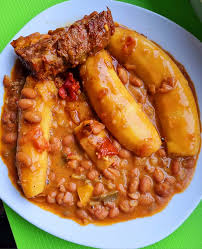
While similar to Uganda’s matoke, Rwanda has its own distinct way of honoring the green banana. Ibitoke are peeled and steamed or boiled, often in a rich tomato and onion sauce, and served as a side dish or as part of a hearty stew. They are mild, filling, and deeply satisfying, providing the perfect fuel for a full day of gorilla trekking in Volcanoes National Park. At breakfast before a gorilla trek, you can order Ibitoke to start the day right.
Ubugari (Cassava porridge)
Ubugari is the quintessential Rwandan staple. Made from cassava or maize flour mixed with boiling water, it forms a thick, smooth, dough-like consistency. Largely flavor-neutral on its own, it is the ideal vehicle for scooping up rich stews and sauces, traditionally eaten with the right hand, making it a fully sensory, authentic Rwandan dining experience.
Ibihyimbo (Slow-cooked beans)
Beans are the primary source of protein for many Rwandans, and they are taken seriously. Slow-cooked for hours with garlic, onions, and sometimes dodo (local spinach), Rwandan beans are a revelation. Do not let the simplicity fool you, the freshness and quality of locally grown beans, combined with patient cooking, produces one of the most deeply flavorful versions of this dish in the world. They act as a stew to accompany ibitoke, ubugari, rice, or other traditional Rwandan food.
Signature Rwandan Dishes
Isombe
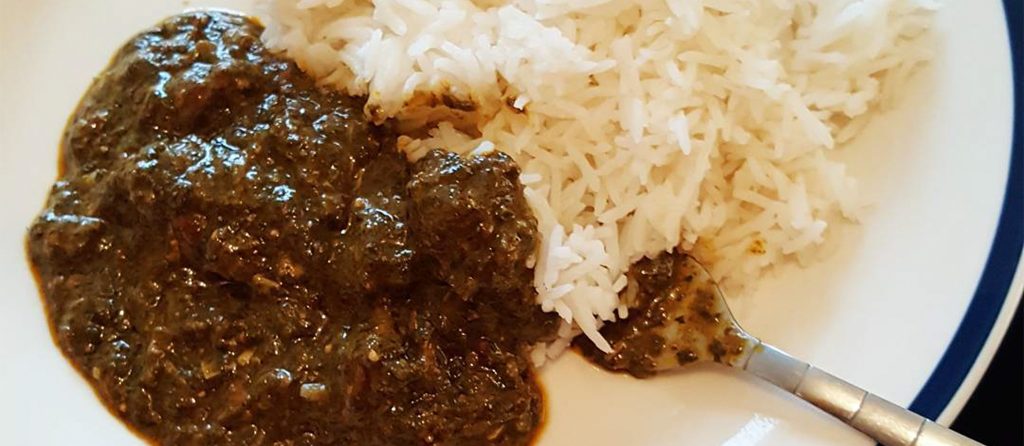
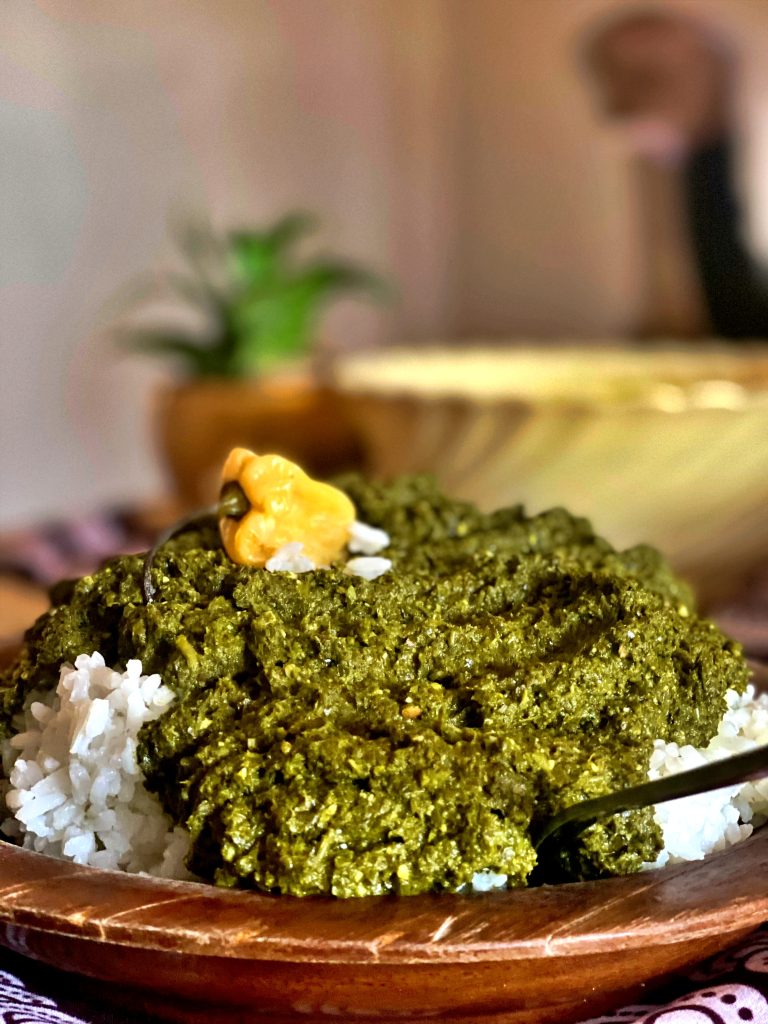
If there is one dish that defines the unique character of Rwandan cuisine, it is isombe – the national delicacy. Made from pounded cassava leaves that are boiled until tender, the dish is transformed by the addition of groundnut paste or local palm oil, and often dried fish for a smoky, earthy depth. It looks like a dark green stew and is extraordinarily nutritious. For visitors on a Rwanda cultural experience, it is an unmissable window into traditional Rwandan home cooking. If your safari lodge does not have it on their menu, make sure to order food with isombe at a local restaurant en-route to your next destination.
Igisafuriya (One-Pot Wonder)
The name literally translates to ‘pot,’ and that tells you everything. Igisafuriya is a slow-simmered one-pot meal containing chicken, plantains, potatoes, onions, and celery. All of the above ingredients are cooked together until the flavors meld into something far greater than the sum of their parts. It is the ultimate Rwandan comfort food, typically served at family gatherings and special Rwanda luxury safari lodge dinners. If it appears on the menu, order it.
The Mélange (Rwanda’s legendary Lunch)
In local Rwandan restaurants, lunch is an event. The mélange is a generous buffet spread where diners pile their plates with beans, rice, ubugari, sweet potatoes, ibitoke, and various stews for a fixed, very affordable price. It is abundant, communal, and completely delicious. Wherever you are in Rwanda at lunchtime, whether passing through Kigali, driving toward Akagera National Park, or heading into Nyungwe Forest, seek out a local restaurant serving the mélange. It is one of the great culinary experiences the country offers.
Rwanda’s Street Food Scene
Brochettes
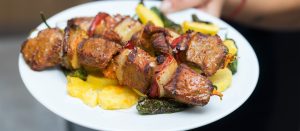
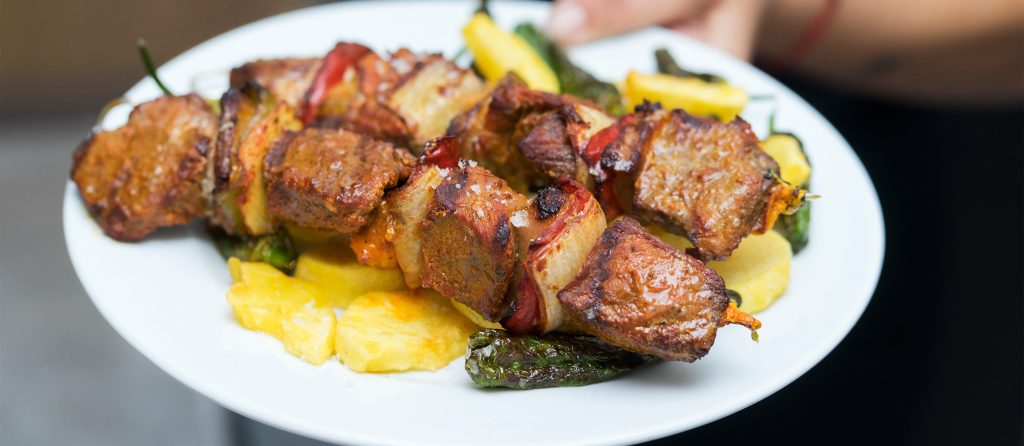
You cannot walk through any Rwandan town without catching the irresistible aroma of brochettes sizzling over hot charcoal. Rwanda street food does not get more iconic than this. These skewers of grilled meat – most commonly goat (widely regarded as the most flavorful), but also beef or fish are Rwanda’s equivalent of the barbecue. Served with grilled mzuzu bananas or deep-fried potato halves, brochettes are a must at any roadside stop between national parks. Your driver/guide will know exactly where to find the best ones.
Sambaza from Lake Kivu
If your Rwanda safari itinerary takes you near Lake Kivu, one experience is non-negotiable: sambaza. These small, sardine-like fish are native to the lake, battered and deep-fried until irresistibly crunchy, and served by the bowlful. They are eaten whole, usually alongside a cold drink at sunset on the lakeside. It is simple, convivial, and one of the most memorable Rwanda street food experiences you will have on your entire trip.
Akabenz
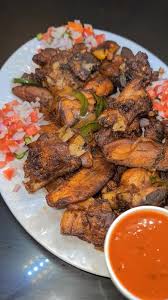
In the neighborhood bars and local eateries known as cabarets, Akabenz reigns supreme. This is pork, fried or roasted with a distinctive blend of local spices and the name itself tells a story. It is named after the Mercedes-Benz, a winking nod to pork being the ‘luxury vehicle’ of local meats. Rich, savory, and deeply satisfying, Akabenz is the kind of Rwanda street food that turns a quick stop into a long, happy evening.
Rwandan Fruit and Drinks
Rwanda’s high altitude and mineral-rich volcanic soil produce some of the finest fruit in East Africa. On any Rwanda travel guide worth its salt, these fruits deserve their own chapter. At safari lodges, markets, and roadside stalls, you will encounter a colorful abundance of fresh produce at every turn.
Tree Tomatoes (Ikimenyi)
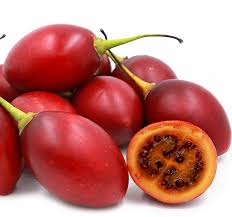
One of Rwanda’s most distinctive fruits. It is tangy, egg-shaped, and with a flavor somewhere between a tomato and a passion fruit. It is commonly juiced or eaten fresh and is a morning staple at many safari lodges. Try it as juice for a sharp, refreshing start to the day before gorilla trekking Rwanda.
Passion Fruits are intense, deeply aromatic, and available everywhere. Rwandan passion fruit juice is extraordinary thick, fragrant, and nothing like the diluted versions found abroad. Order it at every opportunity.
Giant Avocados
Rwandan avocados are legendary. Creamy, buttery, and often enormous, they appear as a side dish at almost every meal. Paired with a simple pinch of salt or alongside beans and rice, they are one of the quiet pleasures of traditional Rwandan food.
Pineapples
Exceptionally sweet and juicy, Rwandan pineapples are often served as a palate cleanser between courses or as a fresh dessert after a rich meal. The volcanic soil gives them a depth of sweetness that is difficult to replicate elsewhere.
Mangoes
During mango season (November through February – also one of the best times to visit Rwanda for a budget safari), Rwanda’s markets overflow with fragrant, fleshy local varieties that put supermarket mangoes firmly in the shade. Vendors will slice them fresh at roadside stalls: a perfect snack between game drives.
Strawberries
A perhaps unexpected highlight in this Rwanda travel guide is the country’s strawberries. Rwanda’s cool highland climate, particularly around Musanze, near Volcanoes National Park produces wonderfully sweet strawberries. Look for them at local markets and lodge breakfast spreads. Fresh strawberry juice in this region is a revelation.
Rwandan coffee and tea
Rwanda produces some of the world’s finest Arabica coffee, known for its bright acidity, floral notes, and hints of citrus and dark chocolate. A visit to a coffee washing station where you can see the full journey from cherry to cup is one of the most enriching Rwanda cultural experiences available on a safari. Rwanda’s black tea, particularly from the Nyungwe Forest and Mulindi regions, is equally exceptional and among the most exported in Africa. End every meal with a cup of either and you will not be disappointed.
Urwagwa (Banana beer)
For the culturally curious traveler on a Rwanda safari, Urwagwa is a traditional beer brewed from fermented bananas and sorghum flour. It carries a strong, slightly smoky, and gently sour flavor profile quite unlike anything you will find at home. Beyond its taste, Urwagwa holds deep cultural significance, playing a central role in Rwandan ceremonies, celebrations, and rites of passage. Trying it is as much a Rwanda cultural experience as a culinary one.
Ikivuguto (Fermented milk)
Milk holds a place of deep cultural importance in Rwanda, historically symbolizing wealth, hospitality, and friendship. Ikivuguto is a thick, naturally fermented milk similar in texture and tang to kefir or drinkable yogurt and is a beloved everyday drink among locals. Cooling, probiotic-rich, and subtly sour, it is the perfect digestive after a heavy mélange lunch on a Rwanda travel day.
Primus and Mutzig
Rwanda’s two most popular local beers are Primus and Mutzig. They are both light, crisp lagers that are the standard companions to an evening of brochettes and good conversation at any Rwanda safari camp or local cabaret. Cold and refreshing after a long day on safari, they are as much a part of the Rwandan social fabric as the food itself. Ask your guide which one locals prefer in the region you are visiting, the answer may surprise you.
Rwandan Dining Etiquette
A little cultural awareness goes a long way at the Rwandan table. These customs will help you dine with confidence and show genuine respect for your hosts on any Rwanda safari or cultural tour.
Eating with Your Hands
Many traditional Rwandan dishes, particularly ubugari and bean stews are eaten by hand. Most local restaurants will provide water for handwashing before the meal begins. Follow the lead of those around you and embrace the experience. Eating with your hands is considered the most natural and connected way to enjoy traditional Rwandan food.
Communal and Shared Meals
Food in Rwanda is deeply communal. Dishes are often placed at the center of the table and shared freely. Being invited to eat from a shared pot or plate is a genuine gesture of warmth and inclusion, so accept it graciously.
The Akabanga Rule

Keep an eye out for a small eye-dropper bottle on the table – this is Akabanga. It is Rwanda’s legendary chili oil made from yellow lantern peppers (habaneros). It is intensely hot. One drop is enough to add serious heat to an entire plate. Proceed with great caution, or great enthusiasm, depending on your tolerance.
Tipping and payment
Tipping is not expected in local eateries but is warmly appreciated. In tourist lodges and upmarket Rwanda luxury safari restaurants, a tip of 10% is a kind gesture for good service. Always confirm whether a service charge has already been added to the bill.
Pro Tips for the Foodie Safari-Goer
- Visit a local market. Markets in Musanze, Huye, or Nyamata and the famous Kimironko Market in Kigali offer a vivid, colorful window into everyday Rwandan food culture: fresh produce, dried beans, local spices, and freshly pressed juice all in one place.
- Take a coffee tour. Rwanda’s coffee washing stations welcome visitors. Seeing the process from red cherry to finished cup and tasting the difference is a Rwanda cultural experience that changes how you drink coffee forever.
- Book your Rwanda gorilla permit early. Gorilla trekking Rwanda is the most sought-after wildlife experience in the country. Permits sell out months in advance, so plan your safari itinerary around your trekking date and use the surrounding days to eat your way through the region.
- Ask your guide for their favorite spot. Safari drivers and guides know the best roadside brochette stands and local restaurants – places that no Rwanda travel guide will ever list.
- Drink bottled or filtered water throughout your trip. The food is generally very safe when freshly cooked, but tap water is best avoided.
- Try something new every day. Rwanda’s regional diversity means the food shifts as you travel. What you eat near Volcanoes National Park will differ from what is served on the shores of Lake Kivu or in the hills above Nyungwe Forest.
- Pace yourself at the mélange. The buffet is generous and the temptation to pile your plate is real but you have a long afternoon of wildlife watching or driving ahead of you.
By embracing the local flavors of Rwanda, you are not just eating, you are participating in a culture that prides itself on its resilience and its deep connection to the Land of a Thousand Hills.
From breakfast Rwanda coffee on a misty hillside above Kigali to sunset sambaza by Lake Kivu, every meal adds a layer of meaning to your Rwanda safari story.
Book your safari with Uzuri Uganda Safaris today and discover a world of flavor in the land of a thousand hills.