Choosing between Uganda and Rwanda for a gorilla trekking safari is one of the most common dilemmas for travelers planning a mountain gorilla encounter in East Africa.
Both destinations offer life-changing wildlife experiences, but they differ significantly in cost, trekking conditions, accessibility, and overall travel style. The right choice depends on your budget, fitness level, time you have available, and what kind of safari experience you want beyond the gorillas.
At the heart of both destinations is the same magical encounter: spending one unforgettable hour with a habituated mountain gorilla family in their natural forest habitat. Whether in Uganda’s dense jungles or Rwanda’s volcanic slopes, the emotional impact is equally powerful. However, the journey to that moment can feel very different depending on where you go.
Cost Differences: Budget vs Luxury Positioning
One of the biggest differences between Uganda and Rwanda is the cost of gorilla permits. Rwanda positions itself as a high-end, low-impact tourism destination, while Uganda offers a more affordable but equally authentic experience.
A gorilla trekking permit in Uganda currently costs USD 800 per person, while Rwanda’s permit is priced at USD 1,500 per person. This difference alone often determines many travelers’ decisions.
Rwanda’s higher price reflects its luxury tourism strategy, shorter travel distances, and well-developed infrastructure. Uganda, on the other hand, is more budget-friendly and offers greater flexibility in accommodation options, ranging from basic lodges to mid-range safari camps.
Beyond permits, overall travel costs in Rwanda tend to be higher, including lodges and guided experiences. Uganda offers more competitive pricing, making it a preferred choice for travelers seeking value without compromising the quality of the gorilla encounter.
Permit Booking and Planning Process
Both countries manage gorilla trekking permits through official government agencies. In Uganda, permits are issued by the Uganda Wildlife Authority and are typically booked through registered tour operators. Travelers usually plan their safaris around permit availability and specific trekking regions.
In Rwanda, permits are managed by the Rwanda Development Board and can be booked either through tour operators or directly via official booking systems. One of Rwanda’s advantages is simplicity: travelers do not need to choose specific gorilla families or worry about multiple trekking sectors in advance. Uganda, by contrast, requires more detailed planning depending on the region and lodge location.
Trekking Experience and Difficulty Levels
The trekking experience itself differs noticeably between the two countries.
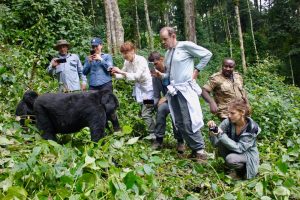
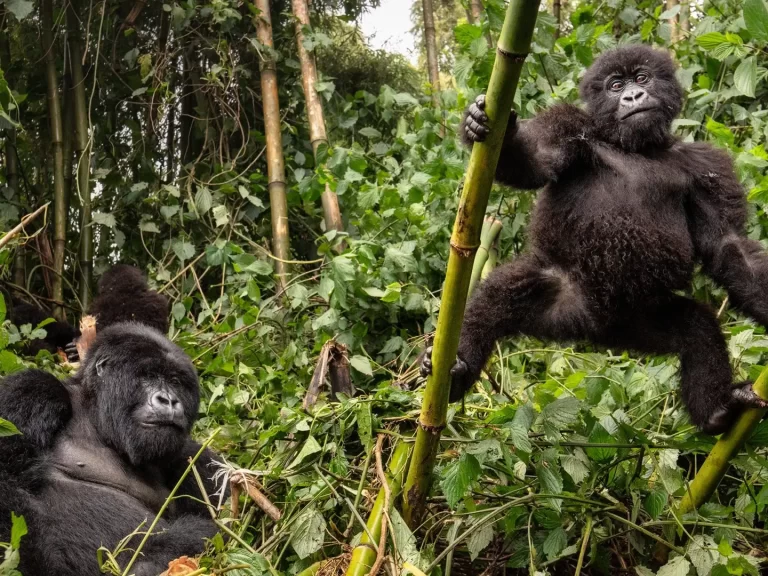
Uganda is known for her more rugged and adventurous terrain. Much of the gorilla trekking takes place in Bwindi Impenetrable National Park, a thick, ancient rainforest that lives up to its name. The vegetation is dense, trails can be muddy and steep, and treks sometimes take several hours before reaching the gorillas.
In some cases, trackers may need to clear paths through thick vegetation, and gorilla families can move deep into the forest. This makes Uganda a more physically demanding destination, but also more immersive for travelers seeking a raw wilderness experience. Fitness levels matter, especially for longer treks.
Rwanda offers a comparatively easier trekking experience in Volcanoes National Park. The terrain is still mountainous but generally more open, with bamboo forests and clearer hiking paths.
Trekking times are often shorter, and elevation gains are more predictable. While challenging hikes still exist, especially for some gorilla families, Rwanda is widely considered more accessible for older travelers or those with moderate fitness levels.
Accessibility and Travel Convenience
Accessibility is another major factor that influences the decision between Uganda and Rwanda. Rwanda is significantly easier to access from the capital city. Volcanoes National Park is about a two-hour drive from Kigali International Airport, making it possible to arrive, rest, and trek within a very short timeframe.
Uganda requires more travel time. From Entebbe International Airport, it typically takes eight to ten hours to reach the gorilla highlands in the southwest of the country. Although domestic flights are available to nearby airstrips, most travelers still rely on long road transfers.
However, this extended journey often includes scenic views of rural Uganda, terraced hills, and traditional villages.
A growing trend among travelers is combining both countries. Flying into Rwanda and crossing into Uganda by road is a popular option, offering a balance of convenience and cost savings.
Accommodation and Safari Amenities
Accommodation options also differ in structure and distribution. In Uganda, lodges are spread across multiple trekking regions, including Buhoma, Rushaga, Nkuringo, and Ruhija. Each sector has its own starting point for gorilla trekking, which makes lodge location extremely important. Staying close to your assigned trekking area is essential because long, rough roads can delay morning reporting times.
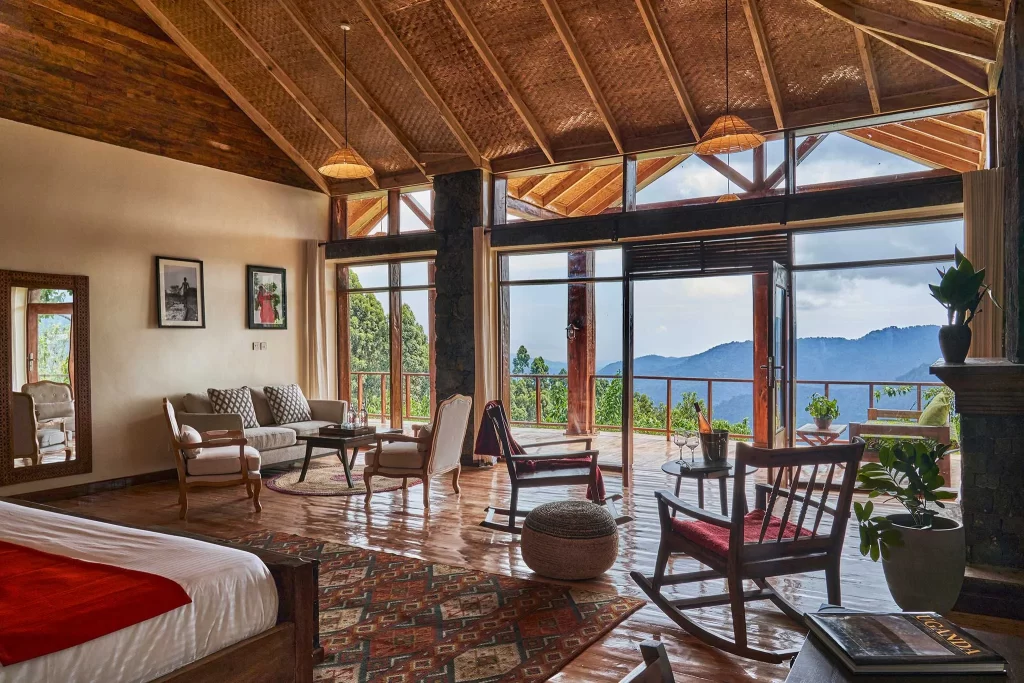
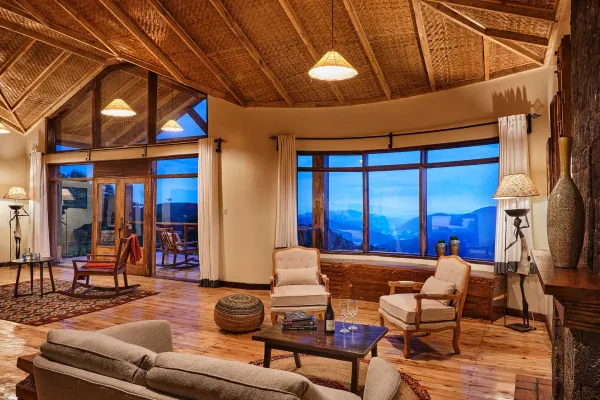
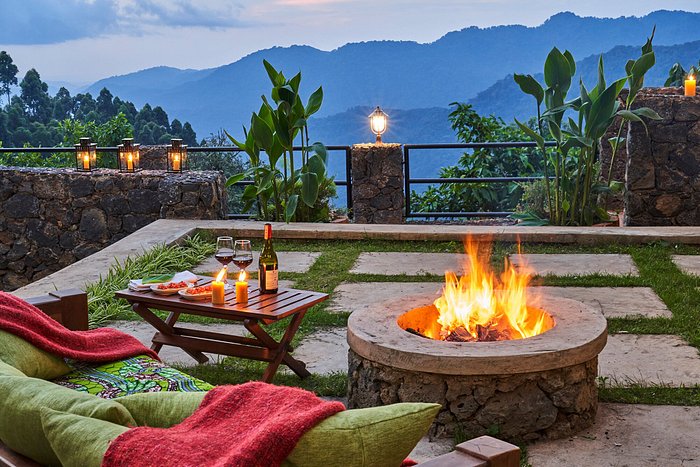

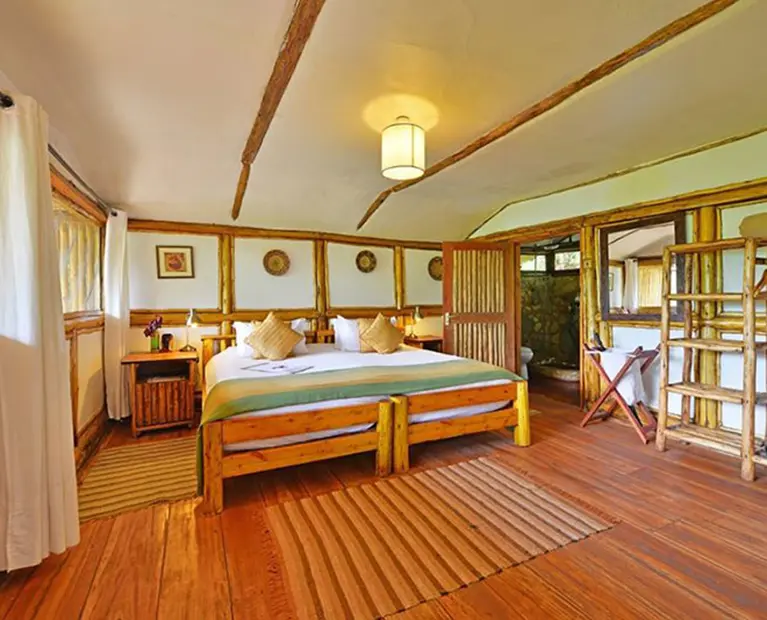
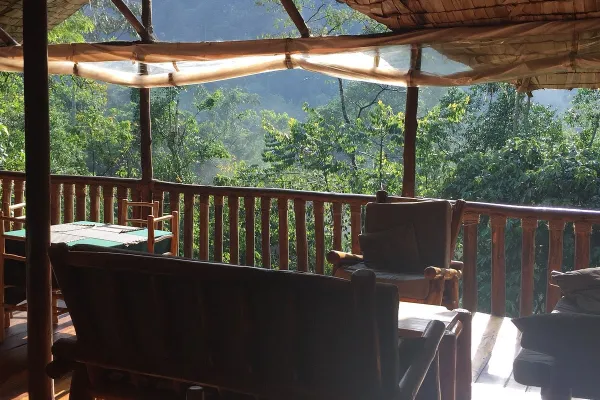
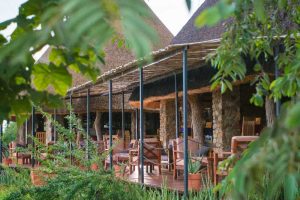
Uganda offers a wide range of accommodation, from budget-friendly guesthouses to luxury forest lodges. The diversity makes it suitable for different travel styles, but it requires careful planning to match your lodge with your permit location.
In Rwanda, accommodation is more centralized. Most lodges are located within a short driving distance of the park headquarters in Kinigi, near Volcanoes National Park. Even the farthest lodges are usually no more than 1.5 hours away, and many are just 10 to 20 minutes from the briefing point. This simplicity adds to Rwanda’s appeal for travelers seeking a smooth and organized experience.
Duration of Stay and Travel Rhythm
The time needed for a gorilla trekking trip also varies. In Uganda, a minimum of two nights is strongly recommended due to the long travel distances and early morning trekking schedules. Many travelers choose to stay longer to explore other attractions such as waterfalls, cultural encounters with local communities, or additional forest walks.
Rwanda allows for shorter stays. A two-night trip is ideal, but it is technically possible to complete a trek in just one or two days due to the park’s proximity to Kigali. However, most experts discourage rushing the experience because Rwanda also offers additional attractions beyond gorilla trekking, including cultural tours and volcano hikes.
Gorilla Families and Viewing Opportunities
Both countries are home to habituated mountain gorilla families, but Uganda has a larger population and more trekking groups overall. Uganda hosts around 23 habituated gorilla families, making it one of the richest gorilla trekking destinations in the world.
These groups are distributed across multiple Bwindi sectors, offering varied trekking experiences from easier forest walks to more demanding mountain hikes.
Uganda’s gorilla families are spread across four sectors including, Buhoma, Rushaga, Nkuringo, and Ruhija in Bwindi, as well as the Nyakagezi group in Mgahinga Gorilla National Park. This distribution allows for greater flexibility in tracking experiences but also requires careful coordination when choosing accommodation and permits.
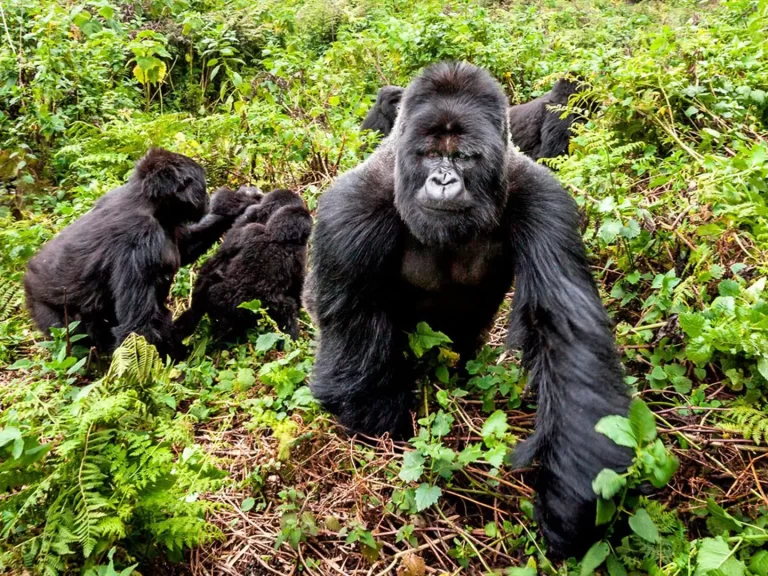
Rwanda has fewer gorilla families, around 12 habituated groups, all located within Volcanoes National Park. Despite the smaller number, Rwanda is famous for iconic families such as Sabyinyo, Amahoro, and the large Kwitonda group. Each family has different trekking difficulty levels, and assignments are usually made based on fitness and group readiness during the morning briefing.
Overall Experience and Travel Style
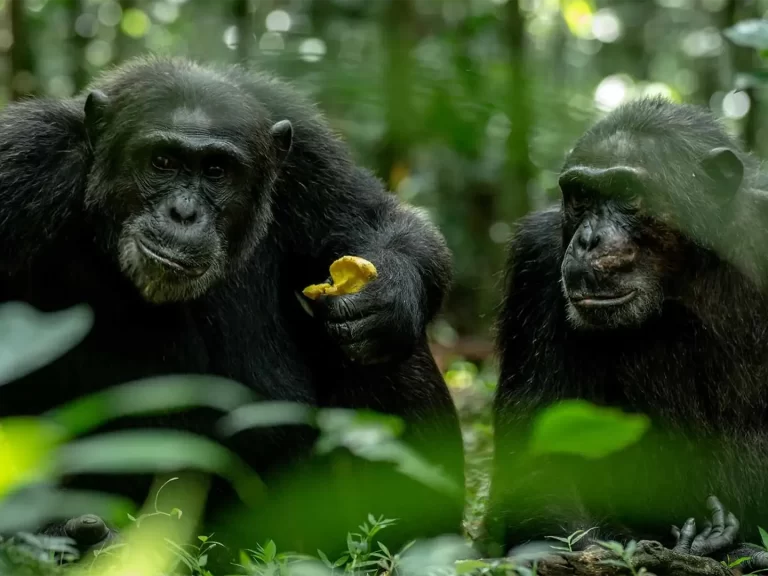
Uganda offers a more adventurous, raw, and immersive jungle experience. It is ideal for travelers who want to combine gorilla trekking with other nature activities including the classic wildlife safari, chimpanzee treks, bird-watching, cultural encounters, and outdoor activities.
The journey is longer and more physically demanding, but it often feels more rewarding for those seeking a deeper connection with nature.
Rwanda, in contrast, offers a more refined, accessible, and time-efficient experience. It is perfect for travelers with limited time, higher budgets, or those who prefer smoother logistics. The country’s strong infrastructure and short travel distances make it one of the easiest places in the world to see mountain gorillas.
Final Verdict: Which Should You Choose?
There is no absolute winner between Uganda or Rwanda for gorilla trekking. Instead, the choice depends on what you value most.
If your priority is affordability, variety, and a more adventurous safari experience, Uganda is the better choice. It offers more gorilla families, diverse trekking regions, and a broader mix of wildlife and cultural experiences.
If your priority is comfort, convenience, and a shorter travel schedule with premium service, Rwanda is ideal. It provides a streamlined, high-end experience with easier access to the gorillas.
In reality, both destinations deliver one of the most extraordinary wildlife encounters on earth. Whether you find yourself trekking through Uganda’s dense rainforest or climbing Rwanda’s volcanic slopes, the moment you meet a mountain gorilla family face-to-face is unforgettable, and worth every step of the journey.