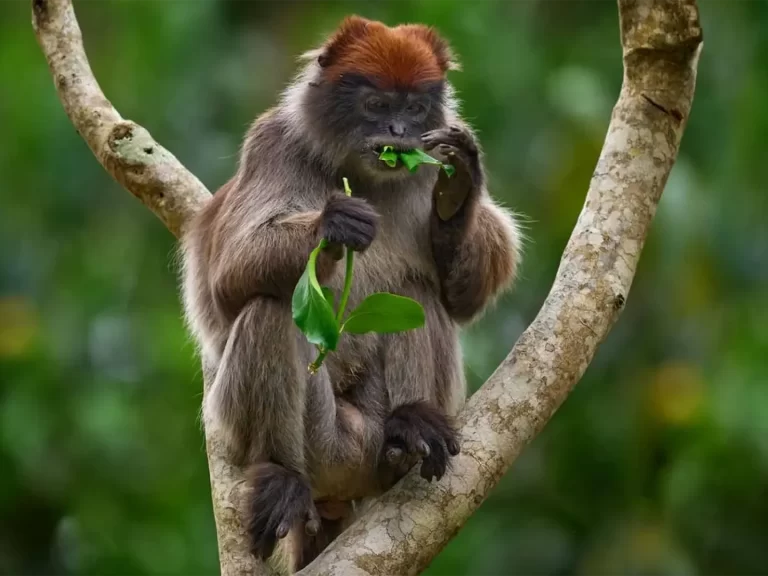
Few wildlife experiences compare to the thrill of coming face-to-face with a mountain gorilla in its natural habitat. Hidden deep within the mist-covered forests of East Africa, these gentle giants offer photographers and filmmakers the chance to capture some of the most emotional and powerful wildlife images imaginable. Whether you are using a professional camera setup or a high-end mirrorless camera, photographing gorillas presents unique challenges and rewards that set it apart from other wildlife safaris.
Unlike photographing animals on the open plains of the savannah, mountain gorilla photography takes place in dense tropical forest, where light is limited, movement is unpredictable, and conservation rules are strictly enforced. Success requires more than a good camera, it demands patience, preparation, an understanding of gorilla behavior, and respect for the guidelines that protect these endangered primates.
For photographers who dream of coming home with exceptional images and footage, knowing what to expect on a gorilla safari can make the difference between ordinary photographs and unforgettable visual stories.
Understanding the Gorilla Photography Experience
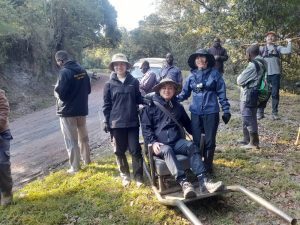
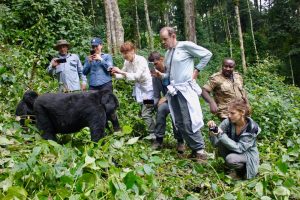
The photography experience begins long before the first shutter click. Visitors start the day with an early morning briefing, then enter the forest with experienced guides and trackers. Depending on where the gorilla family is located, the trek can last anywhere from one hour to several hours through steep terrain, thick vegetation, and muddy trails.
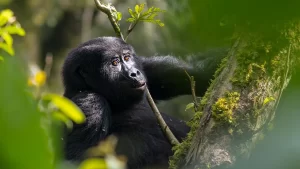
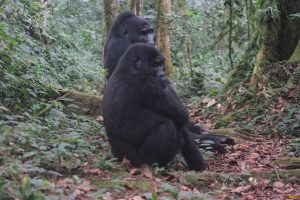
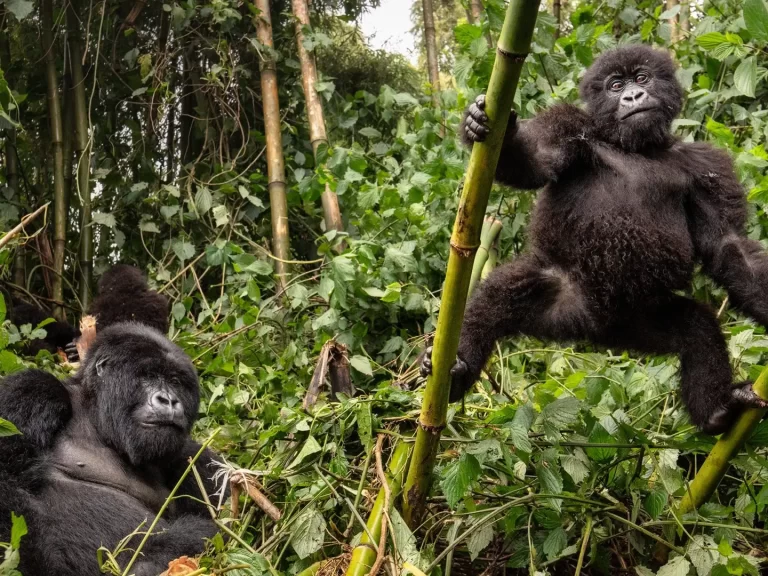
Once the gorillas are found, the atmosphere shifts instantly. The excitement of the search gives way to quiet observation as visitors are introduced to a family of mountain gorillas going about their day. On finding them, some are feeding, others resting in the shade, while younger gorillas often entertain onlookers with playful antics. For photographers, every minute brings new opportunities as the animals constantly shift positions and interact with one another.
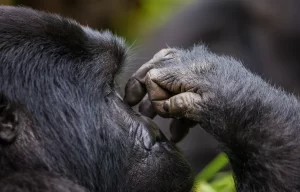
What makes gorilla photography so special is the emotional connection it creates. The facial expressions, eye contact, family dynamics, and human-like behavior of mountain gorillas produce photographs that tell stories far beyond simple wildlife documentation. Every encounter is different – no two photographers will ever walk away with exactly the same images.
Why Rainforest Conditions Challenge Even Experienced Photographers
Many first-time visitors underestimate just how difficult gorilla photography can be. The dense rainforest environment tests both equipment and technical skill. Thick canopy often blocks direct sunlight, creating low-light conditions even during the brightest hours of the day, photographers frequently find themselves pushing ISO higher and shooting wider apertures just to maintain usable shutter speeds.
The constantly shifting environment adds another layer of difficulty. A gorilla might step briefly into a clearing with perfect light, then vanish back into thick vegetation moments later. Leaves, branches, and vines often block clear views, forcing photographers to reposition carefully without disturbing the animals. Rain, mist, and high humidity are also common, requiring extra care to protect valuable equipment.
These challenges are part of what makes a great gorilla photograph so rewarding. Capturing a sharp, well-composed shot of a mountain gorilla in its natural environment usually takes a mix of technical skill, patience, and a bit of luck.
What to Pack for a Successful Gorilla Photography Session
The right equipment can significantly improve your gorilla safari experience. While many visitors focus entirely on camera bodies and lenses, success often comes down to the supporting gear too. Since gorilla habitats sit in tropical mountain forests where weather can change rapidly, protecting your equipment from moisture should be a top priority.
A waterproof camera bag is essential for carrying gear safely through the forest. Rain covers for cameras and lenses add extra protection during sudden showers, while microfiber cloths help wipe away moisture throughout the trek.
Extra batteries matter too as cold, damp conditions drain them faster than usual. Spare memory cards are just as important, since many photographers shoot hundreds or even thousands of frames during a single encounter.
Comfort on the trek also affects your photography. A photographer who’s exhausted, dehydrated, or weighed down by heavy gear will struggle to focus on getting the shot. Balancing camera equipment with practical hiking essentials including water, snacks, suitable clothing makes for a far more enjoyable trip into the forest.
Photography Etiquette While With the Gorillas
The privilege of photographing mountain gorillas comes with real responsibility. Every visitor plays a part in protecting these endangered animals by following strict viewing and gorilla photography guidelines. The gorillas’ welfare must always come before getting the shot.
One of the most important rules: no flash photography. It might seem harmless, but flash can startle gorillas and alter their natural behavior, which is why it’s strictly prohibited during encounters. Photographers must rely on natural light and the right camera settings instead.
Staying calm matters just as much. Sudden movements, loud talking, and jostling for a better angle can disrupt both the gorillas and the experience for other visitors. Move slowly, follow your guide’s instructions, and avoid blocking the gorillas’ path. Patience pays off, some of the most memorable shots happen when visitors quietly observe rather than chase a particular image.
Ethical wildlife photography is ultimately about documenting authentic behavior without influencing it. The best gorilla photographs capture natural moments while leaving the animals undisturbed.
How to Capture Better Gorilla Photographs
Great gorilla photography isn’t just about tight portraits. Detailed shots of silverbacks and youngsters are always impressive, but the strongest photo collections tell a broader story about life in the rainforest; family interactions, environmental detail, and the moments that reveal individual personality.
Resist the urge to stay zoomed in on a single face the whole time. Wider compositions that include the surrounding forest add context and showcase the habitat that supports these animals. Images of mothers caring for infants, playful juveniles climbing through vegetation, or a silverback watching over his family often tell a more compelling story than a simple portrait.
Patience matters here too. Rather than constantly repositioning in search of a better angle, photographers often get their best results by watching quietly and letting interesting behavior unfold on its own. The longer you watch, the better your odds of catching something truly memorable.
Why Gorilla Habituation Beats Standard Trekking for Photographers
For photographers and filmmakers, time is often the most valuable resource on a wildlife encounter and this is where Uganda’s Gorilla Habituation Experience has a real edge over standard gorilla trekking. On a typical trek, visitors get just one hour with a fully habituated gorilla family once they are found. It is an extraordinary experience, but many photographers find that hour disappears far too fast.
Wildlife photography rarely runs on a schedule. You might spend twenty minutes waiting for a gorilla to step out from behind vegetation, only for the perfect moment to arrive just before your visit ends. That time pressure can limit room for creative experimentation.
The Gorilla Habituation Experience solves this by giving visitors up to four hours with a gorilla family still going through the habituation process. Offered exclusively in Uganda’s Bwindi Impenetrable National Park, it provides far more time for observation, photography, and filming.
For photographers, those extra hours can be transformative. Instead of rushing from shot to shot, you can watch behavior change, experiment with different compositions, and wait for the moment that makes the trip. Light conditions may improve as the session goes on, family dynamics become clearer, and the extended time lets you build a complete visual story rather than a handful of isolated images.
Why Filmmakers Prefer Gorilla Habituation Experiences
Filmmaking demands even more time than photography. Capturing usable footage means recording long sequences, waiting for natural behavior, and gathering enough material to tell a coherent story. The one-hour limit on standard trekking can make that difficult, especially for filmmakers hoping to document specific behaviors or interactions.
The four-hour Gorilla Habituation Experience offers a much better shot at meaningful footage. The extended time lets filmmakers capture feeding behavior, social interaction, movement through the forest, and intimate family moments that would be hard to document on a shorter visit – resulting in richer footage and a more authentic portrayal of gorilla life in the wild.
It is one of the main reasons professional wildlife filmmakers, documentary crews, and serious content creators tend to choose gorilla habituation over standard trekking when planning a photography-focused safari.
Photographing mountain gorillas is one of the most rewarding wildlife experiences in the world. The combination of close encounters, remarkable behavior, and dramatic rainforest scenery creates endless opportunities for powerful imagery. But success depends on preparation, patience, and a real commitment to ethical wildlife photography.
Standard gorilla trekking offers an unforgettable introduction to these magnificent primates, but photographers and filmmakers chasing the best possible shots should strongly consider Uganda’s Gorilla Habituation Experience. Those extra hours in the forest offer a level of creative freedom that a traditional one-hour trek simply can’t match. For anyone hoping to capture the perfect image or build a compelling wildlife film, that extra time can make all the difference.