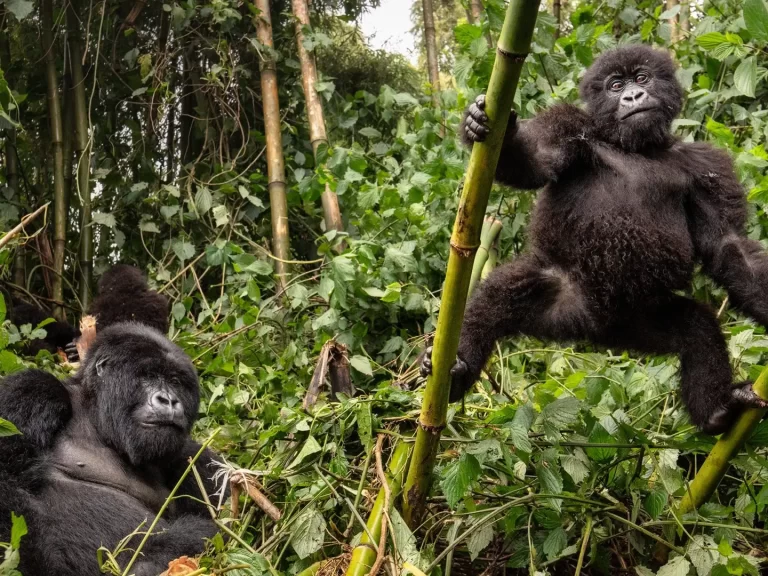
For many wildlife enthusiasts, spending time with mountain gorillas in their natural habitat is one of the most extraordinary wildlife encounters on earth. While gorilla trekking offers visitors a chance to spend one hour with a habituated gorilla family, Uganda’s Gorilla Habituation Experience takes that encounter to a completely different level.
In 2027, the gorilla habituation permit will cost US$1,800 per person. Right now, it is USD 1,500 per person, making it one of Africa’s most exclusive wildlife experiences.
At first glance, the price may appear high. However, a closer look at what the experience involves, the years of research behind it, the conservation work it supports, and the unique access it grants reveals why many travelers consider it worth every dollar.
More than just a tourism activity, gorilla habituation is a conservation driven adventure that allows visitors to contribute directly to the survival of one of the world’s most endangered primates.
Understanding the Gorilla Habituation Experience
Gorilla habituation is a gradual process through which wild mountain gorillas become accustomed to the presence of humans without changing their natural behavior. Mountain gorillas are naturally wary of people.
Over centuries, humans have hunted wildlife, destroyed habitats, and posed threats to gorilla populations. As a result, gorillas instinctively retreat from human contact or become defensive when they feel threatened.
To enable scientific study and carefully managed tourism, researchers and rangers spend years earning the trust of a gorilla family. The process takes place entirely within the gorillas’ natural environment and involves minimal interference.
Researchers do not feed the gorillas or force them to accept human presence. Instead, they spend time observing them, gradually allowing the gorillas to understand that humans do not pose a danger.
This habituation process can take between two and five years for a completely wild gorilla family. In some cases, a breakaway family from an already habituated group may require around three years before it is ready for tourism activities. Only after gorillas become comfortable with human observers are they considered suitable for visitor encounters.
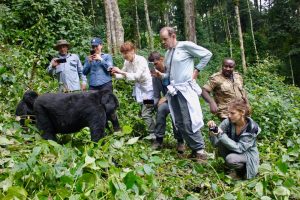
Unlike traditional gorilla trekking, where visitors spend one hour with a habituated family, gorilla habituation allows guests to accompany researchers and rangers for approximately four hours with a semi-habituated gorilla group. It is a much deeper and more immersive wildlife experience.
Why Is the Gorilla Habituation Experience So Expensive?
A Rare Opportunity Available Only in Uganda
One of the reasons the Gorilla Habituation Experience commands a premium price is its exclusivity. The activity is only available in Uganda’s Bwindi Impenetrable National Park, specifically in the Rushaga sector located in the southern part of the park.
Uganda introduced gorilla habituation tourism in 2014, creating an opportunity for visitors to participate in the final stages of the habituation process. While gorilla trekking is available in Uganda, Rwanda, and the Democratic Republic of Congo, gorilla habituation remains unique to Uganda.
The number of permits available is extremely limited. Only four visitors are allowed to participate with a gorilla family per day. This small group size ensures minimal disturbance to the gorillas while providing guests with an intimate and personalized encounter.
Knowing that only a handful of people in the world will share the experience on any given day adds to its value and exclusivity.
Four Hours Instead of One Hour
One of the most obvious reasons the experience is worth US$1,800 is the amount of time visitors spend with the gorillas.
A standard gorilla trekking permit allows one hour with a habituated gorilla family. During a Gorilla Habituation Experience, visitors spend up to four hours observing and following the gorillas as researchers conduct their daily work.
This extended period allows travelers to witness a much broader range of gorilla behaviors. Visitors may observe the gorillas feeding, grooming one another, interacting socially, resting, communicating, and moving through the forest in search of food.
The additional time creates opportunities for deeper observation and photography. Instead of feeling rushed, visitors can appreciate the complexities of gorilla family dynamics and gain a better understanding of how these remarkable primates live.
For many participants, the experience becomes less about ticking off a wildlife sighting and more about developing a genuine appreciation for mountain gorilla behavior and conservation.
An Authentic Behind the Scenes Conservation Experience
The Gorilla Habituation Experience is not a staged wildlife attraction. Visitors become part of the daily routines of researchers, trackers, and rangers who dedicate years of their lives to gorilla conservation.
After an early morning briefing, guests enter the forest accompanied by expert trackers, armed rangers, and, in some cases, researchers. Guided by information relayed through radio communication, the team locates the gorilla family and begins the four hour observation period.
Throughout the encounter, visitors learn about individual gorillas, family structures, social behaviors, and the challenges involved in protecting mountain gorillas. The educational component adds significant value to the experience because travelers gain insights that go far beyond a typical wildlife viewing activity.
Participants witness firsthand the dedication required to monitor, study, and protect mountain gorillas. This understanding helps explain why the permit fee is not simply paying for access but supporting a long term conservation mission.
Supporting Years of Research
Research is one of the biggest reasons the gorilla habituation permit carries a higher price.
Before any gorilla family becomes available for tourism, researchers and rangers spend years following, observing, and documenting the group’s behavior. They monitor social structures, family growth, health conditions, movements, and interactions.
This work requires extraordinary commitment. Researchers often spend countless days in dense forest terrain tracking gorillas under challenging conditions. The information gathered contributes directly to understanding mountain gorilla behavior and improving conservation strategies.
Revenue generated through gorilla habituation permits helps support these research activities. By purchasing a permit, visitors contribute to the continued study of mountain gorillas and help ensure that future conservation decisions are based on scientific knowledge.
Supporting Rangers and Park Staff
The success of mountain gorilla conservation depends heavily on the people working on the ground.
Uganda Wildlife Authority rangers, trackers, wardens, and conservation staff play critical roles in protecting gorillas and managing Bwindi Impenetrable National Park. They conduct patrols, monitor gorilla families, remove threats from the forest, assist researchers, and guide visitors safely during their experiences.
Funds generated from gorilla habituation permits help support these personnel and their livelihoods. The financial support provided through tourism enables staff to continue their conservation work while supporting their families and communities.
Without these dedicated individuals, mountain gorilla conservation would be significantly more difficult.
Enhancing Gorilla Protection
The conservation impact of gorilla habituation extends directly to the protection of mountain gorillas.
Rangers and security personnel continuously monitor gorilla populations, record family numbers, and assess the wellbeing of individual animals. Their work helps identify potential threats and ensures rapid responses when issues arise.
Monitoring also helps locate and remove snares and other hazards that could injure wildlife.
Communication equipment used by field teams requires regular maintenance and servicing, and tourism revenue contributes to these operational costs.
By participating in a Gorilla Habituation Experience, visitors directly support efforts aimed at safeguarding one of the world’s most endangered primates.
Funding Veterinary Care
Mountain gorilla conservation has achieved remarkable success. From a global population estimated at around 250 individuals decades ago, mountain gorilla numbers have grown to more than 1,000 today.
A significant factor behind this recovery has been active conservation management, including veterinary interventions when necessary.
Although gorillas remain wild animals, there are occasions when injured individuals require medical attention. Veterinary teams assess and treat serious injuries to improve survival chances and protect the overall health of the population.
Permit revenue contributes to supporting these veterinary efforts by helping provide resources and treatments required for emergency interventions. Every permit purchased therefore contributes, in part, to the health and survival of mountain gorillas.
Supporting Local Communities
One of the most important conservation lessons learned around the world is that wildlife conservation succeeds when local communities benefit from protecting natural resources.
Communities living near Bwindi Impenetrable National Park play a crucial role in mountain gorilla conservation. Historically, some residents viewed gorillas negatively, especially when wildlife damaged crops or competed for resources.
Over time, conservation programs demonstrated that gorillas could generate tangible benefits for local people. A portion of tourism revenue is directed toward community development projects, helping improve livelihoods and encouraging local participation in conservation efforts. Some residents also find employment opportunities through tourism and conservation activities.
As communities increasingly benefit from gorilla conservation, support for protecting mountain gorillas grows stronger. The Gorilla Habituation Experience permit therefore contributes not only to wildlife protection but also to community development.
Conservation through controlled tourism
Another reason the high fee is justified is that the pricing helps regulate visitor numbers.
Conservation remains the primary objective of gorilla habituation. Allowing unlimited visitor access could negatively affect gorilla welfare and damage their habitat. Excessive human presence could trample vegetation, disrupt natural behaviors, and create additional stress for gorilla groups.
By maintaining a high permit price and limiting participation to four visitors per day, Uganda ensures that tourism remains sustainable and conservation focused. The restricted number of participants reduces environmental impact while preserving the quality of the experience.
In this sense, the permit price serves both conservation and visitor experience objectives.
An experience beyond the price tag
Perhaps the most compelling reason the Gorilla Habituation Experience is worth US$1,800 is the emotional and personal impact it creates.
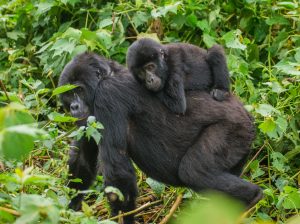
Few wildlife encounters offer such intimate access to animals that share striking similarities with humans. Watching gorillas feed, groom one another, communicate, care for their young, and move through the forest creates a powerful connection between visitors and nature.
Many participants describe the experience as transformative. Spending four hours alongside wild mountain gorillas in one of Africa’s oldest forests provides a perspective that cannot be replicated in a zoo, documentary, or photograph.
The memories created during those hours often remain vivid long after the journey ends.
The gorilla habituation permit fee is far more than an entrance fee to see mountain gorillas. It is an investment in conservation, research, community development, veterinary care, ranger support, and sustainable tourism.
Visitors gain four extraordinary hours with a semi-habituated gorilla family, participate in a unique conservation journey available only in Uganda, and contribute directly to protecting one of the world’s greatest wildlife success stories, furthering the pioneering efforts of primatologist Dian Fossey.
When viewed through the lens of conservation impact and the rarity of the experience, the gorilla habituation adventure is not simply expensive. It is one of the most meaningful wildlife investments a nature lover can make.