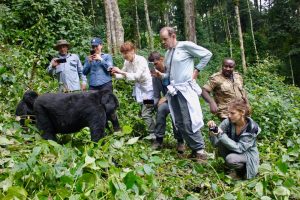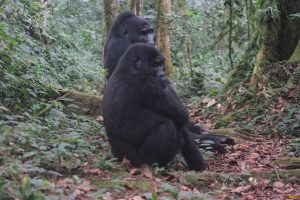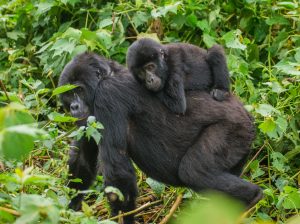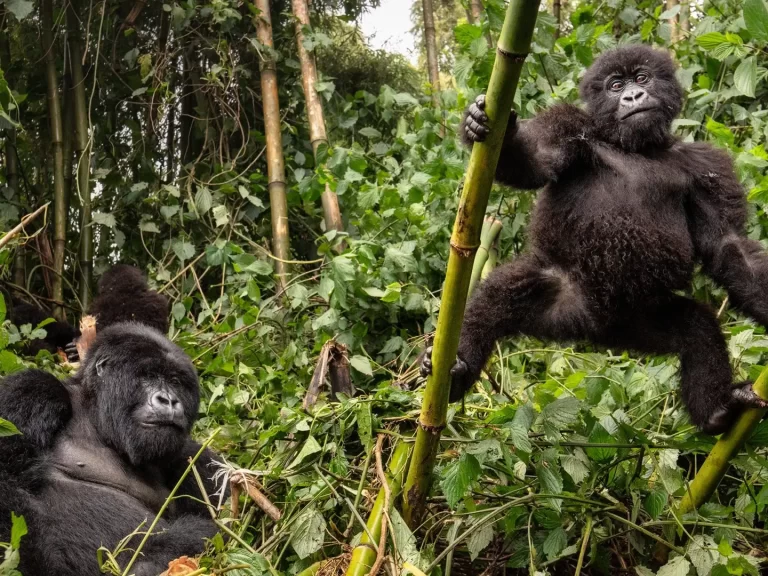
The gorilla habituation experience in Uganda is one of the most immersive wildlife encounters in Africa. Unlike standard gorilla trekking, this activity allows visitors to spend up to four hours with semi-habituated mountain gorillas while actively participating in the scientific process of helping them get used to human presence.
This experience takes place in the dense forests of Bwindi Impenetrable National Park, one of the most biologically diverse rainforests in the world. It combines adventure, conservation, and education in a way that few wildlife activities can match.
To help you fully understand this unique experience, the following Frequently Asked Questions are arranged in a logical flow, from what it is, to how it works, and finally how to prepare.
What is Gorilla Habituation?
Gorilla habituation is the gradual process of introducing wild mountain gorillas to the presence of humans. Instead of being immediately viewed by tourists, a gorilla family is followed over time by researchers who slowly help them become comfortable with human observers.
This process was inspired by pioneering primatologist Dian Fossey, who used similar techniques while studying and protecting mountain gorillas. Her work laid the foundations for modern gorilla conservation practices.
During habituation, gorillas are observed daily until they stop reacting with fear or aggression toward humans. Only then can they be opened for controlled tourism or research observation.
How Did Gorilla Habituation Become a Tourist Activity in Uganda?
Originally, gorilla habituation was strictly a research activity carried out by scientists and conservationists. However, in 2014, the Uganda Wildlife Authority introduced it as a controlled tourism product.
The goal was to expand conservation funding, support local communities, and give visitors a deeper understanding of gorilla behavior beyond the classic 1-hour gorilla trek. Today, it remains one of the most exclusive wildlife experiences in Uganda.
What is the Difference between Gorilla Habituation and Gorilla Trekking?
Although both are mountain gorilla treks, the experiences are quite different.
Gorilla trekking allows visitors to spend one hour with a fully habituated gorilla family after locating them. Gorilla habituation, on the other hand, involves following a semi-habituated family for up to four hours alongside researchers.
Gorilla trekking is available in Uganda, Rwanda, and the Democratic Republic of Congo. However, gorilla habituation is only available in Uganda, making it a rarer and more specialized experience.
Where does Gorilla Habituation take place in Uganda?
Gorilla habituation is carried out only in the southern sector of Bwindi Impenetrable National Park.
Two gorilla families are currently involved in the process. One is located in the Rushaga sector, while the other is found in the Nkuringo sector. These areas are known for their steep terrain, misty forests, and rich biodiversity.
Anyone wishing to participate must travel to the southern region of Bwindi, as no other sector offers habituation experiences.
How much does a Gorilla Habituation Permit Cost?
A gorilla habituation permit currently costs USD 1,500 per person but will effective January 01, 2027 go up by $300 to USD 1,800 for visiting foreign nationals. For foreign residents in Uganda and the rest of East Africa, the prevailing rate of $1,500 will apply. For Ugandans and East Africans, the permit will cost $200.
The fees contribute directly to conservation efforts, park management, veterinary care for gorillas, and community development projects around Bwindi.
It also includes ranger services and access to researchers who guide visitors during the experience. While the price is high, it reflects the exclusivity and conservation value of the activity.
How long does the Gorilla Habituation Experience last?
The full experience lasts most of the day, but visitors are allowed up to four hours with the gorillas once they are located.
Tracking can take several hours depending on the movement of the gorilla family. After finding them, participants continue observing their behavior as they feed, move, and interact.
Because of this extended duration, participants are advised to carry a packed lunch and sufficient water.
What time does the Gorilla Habituation trek start?
The activity begins early in the morning, usually around 7:30 a.m.
Visitors attend a briefing before entering the forest with researchers and ranger guides. The early start is important because gorillas are typically located shortly after leaving their nests at dawn.
This timing also ensures enough daylight for tracking and observation.
How many people are allowed per gorilla family?
Only four visitors are permitted per gorilla family per day.
This strict limit ensures that the gorillas are not overwhelmed during the habituation process. Since they are still adjusting to human presence, smaller groups help reduce stress and maintain natural behavior.
Because of this restriction, permits are extremely limited and highly sought after.
How long does the Gorilla Habituation process take?
The full habituation process typically takes between two to three years. However, in some cases, it may take up to five years, depending on how quickly the gorillas adapt to human presence.
Every stage of the process is carefully managed by researchers to ensure the safety and well-being of the gorillas.
What is the age limit for the Gorilla Habituation Experience?
The minimum age allowed is 15 years.
This requirement is in place because the activity involves long hours of hiking through challenging terrain and requires a certain level of physical fitness and discipline.
Younger children are not permitted due to safety concerns and the demanding nature of the forest environment.
How safe is the Gorilla Habituation Experience?
The Gorilla habituation experience is generally very safe when all rules are followed.
Mountain gorillas are naturally gentle and shy animals. They rarely show aggression unless they feel threatened. During the experience, visitors are always accompanied by trained researchers and ranger guides.
Strict guidelines are provided before entering the forest to ensure both visitor safety and gorilla protection. When these instructions are followed, the experience is safe and well managed.
Are there discounted gorilla habituation permits?
At the moment, there are no discounted permits available. All visitors pay the standard fee that has been set by the Uganda Wildlife Authority (USD 1,500 today but set to rise to $1,800 next year). Since only a few permits are issued daily, demand remains high throughout the year.
Advance booking is strongly recommended.
When is the best time to go for the Gorilla Habituation Experience?
Gorilla habituation can be done all year round, but the dry seasons are generally preferred.
The best months are June to September and December to January. During these periods, forest trails are less slippery and hiking conditions are more comfortable. However, Bwindi is a rainforest, meaning rainfall can occur at any time, so proper preparation is always necessary.
How difficult is the Gorilla Habituation Experience?
The Gorilla Habituation Experience is considered physically demanding.
The activity involves long hikes through steep hills, thick vegetation, and muddy terrain. Tracking gorillas can take several hours before the four-hour observation period begins.
Despite the difficulty, many visitors find it deeply rewarding because of the extended time with gorillas and the opportunity to witness natural behavior up close. Good physical fitness and proper gear significantly improve the experience.
How do you get to the Gorilla Habituation area?
By Road
Visitors here on a safari trip that includes the habituation experience can travel by road from Entebbe to Bwindi Impenetrable National Park. The journey takes you across Uganda – seeing “so-called Pearl of Africa” in all of its beauty.
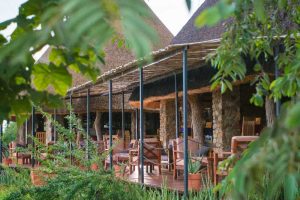
Many visitors choose to spend the night at top mid-range to luxury lodges in the viscinity of the park HQ at Rushaga or Nkuringo.
By Air
Domestic flights are available from Entebbe International Airport or Kajjansi Airfield to Kisoro Airstrip. From there, road transfers take visitors to the lodges near Rushaga or Nkuringo. This option significantly reduces travel time and is ideal for those with limited schedules.
What should you pack for a Gorilla Habituation Experience?
Proper preparation is essential for a successful experience. Strong waterproof hiking boots (paired with gaiters) are necessary for muddy terrain. Long trousers and long-sleeved shirts help protect against insects and vegetation.
A waterproof jacket or poncho is important due to frequent rain. Gardening gloves provide a better grip while moving through thick vegetation.
Other essentials include a camera with extra batteries, drinking water, energy snacks, insect repellent, a backpack cover, a hat, toiletries, and a flashlight.
The gorilla habituation experience in Uganda is more than a wildlife activity; it is a deep conservation journey. It offers rare insight into the lives of semi-habituated mountain gorillas while allowing visitors to actively participate in their protection.
Though physically demanding and limited in availability, the experience provides unmatched access to one of the world’s most endangered species. For travelers seeking something beyond traditional wildlife viewing, gorilla habituation in Bwindi Impenetrable National Park is an unforgettable adventure into the heart of Africa’s rainforest.
Book your Gorilla Habituation Experience today with Uzuri Uganda Safaris and make your contribution to the conservation of the gentle endangered Mountain Gorillas.